Al-Ahli Baptist massacre
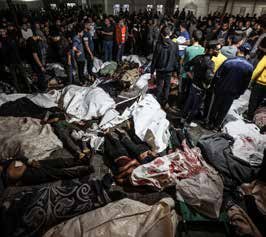
On October 17, 2023, Israel bombed the courtyard of Al-Ahli Baptist Hospital in Gaza City, killing over 500 Palestinians, most of whom were women and children. At the time, Israeli Prime Minister Benjamin Netanyahu claimed that Palestinian groups were responsible for the hospital explosion.
Saint Porphyrius Church massacre
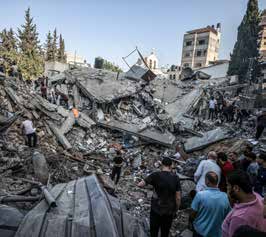
On October 20, 2023, an Israeli military strike targeted the Saint Porphyrius Greek Orthodox Church in Gaza, killing 20 people, including 18 Christian Palestinians. The church, originally built in 425 AD, had provided shelter to hundreds of displaced Christians and Muslims fleeing Israeli attacks.
Jabalia massacre
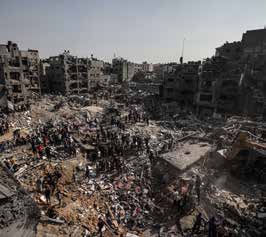
On October 31, 2023, Israeli warplanes targeted a densely populated area of the Jabalia Refugee Camp in northern Gaza, killing and injuring around 1,000 Palestinians, the majority of them women and children.
Al-Fakhoura School massacre
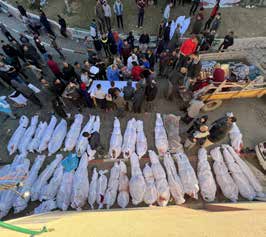
On November 18, 2023, the Israeli army bombed Al-Fakhoura School in the Jabalia Refugee Camp in northern Gaza. The school, run by the United Nations Relief and Works Agency for Palestine Refugees in the Near East (UNRWA), was sheltering large numbers of displaced people. More than 200 people were killed in the attack.
Nablus Intersection massacre
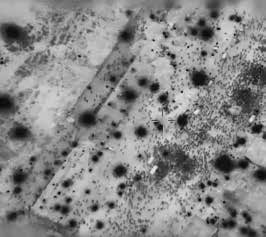
On February 29, 2024, the Israeli military targeted Palestinians waiting for humanitarian aid at the Nablus Intersection on Rashid Street, which connects northern and southern Gaza. The attack, involving both bombings and gunfire, killed 118 people and injured 760 others. The massacre, also referred to as the “Flour Massacre,” drew widespread condemnation.
Shifa Hospital massacre
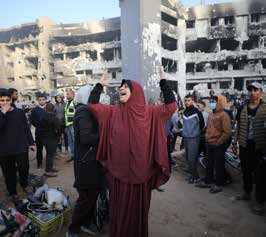
Between March 8 and April 1, 2024, Israeli forces besieged Shifa Hospital in Gaza City for two weeks. During this period, 400 Palestinians were killed in and around the hospital complex. After the Israeli withdrawal, three mass graves were discovered within the hospital grounds.
Rafah massacre (tent fires)
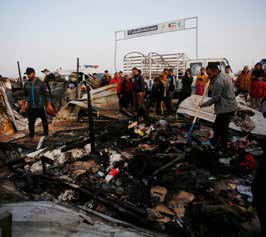
On May 26, 2024, despite an International Court of Justice (ICJ) ruling ordering Israel to halt attacks, the Israeli military struck tents sheltering displaced Palestinians in the city of Rafah in the Gaza Strip. The attack killed 45 Palestinians..
Nuseirat Refugee Camp massacre
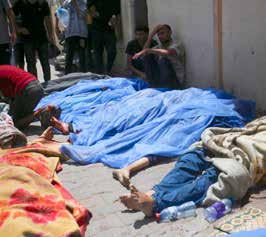
On June 8, 2024, in the Nuseirat Refugee Camp in Deir al-Balah, Israeli forces carried out a deadly operation. Disguised as Palestinians and using two civilian vehicles, Israeli soldiers launched an assault that, while reportedly rescuing four Israeli hostages, resulted in the deaths of 274 Palestinians—including 64 children and 57 women. An additional 698 people were injured, including 153 children and 161 women.
Mevasi katliamları
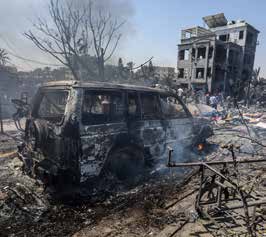
On July 13, 2024, the Israeli military launched a horrific attack on the Al-Mawasi area of Khan Younis in the Gaza Strip, which had previously been declared a “safe zone” for displaced Palestinians. At least 90 people—mostly women and children—were killed, and 300 others were injured. In a second assault on Al-Mawasi on September 10, 2024, 40 Palestinians were killed and 60 wounded.
Al-Tabaeen School massacre
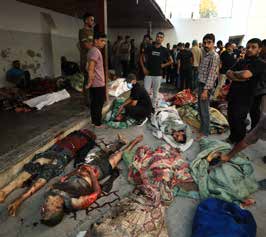
On August 10, 2024, Israeli warplanes carried out another major massacre, targeting Al-Tabaeen School in Gaza’s eastern Daraj neighborhood. The school, where thousands of displaced civilians had taken shelter, was struck during the morning prayer, killing at least 100 people, including many women and children, and injuring dozens more.
Israel’s attacks on Lebanon
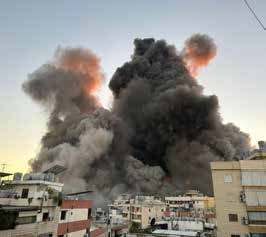
Since October 8, 2023, Israel has carried out numerous attacks on Lebanon. As a result, 4,037 people have been killed—including 1,106 women and children, and 222 healthcare workers—while 16,638 others have been injured, and approximately 1.9 million displaced (including 624,000 who fled to Syria). Although a ceasefire was declared on November 27, it has been repeatedly violated by Israel, with 14 additional Lebanese casualties reported. During this period, Hezbollah leader Hassan Nasrallah was also killed in an attack in Beirut on September 27.
Nuseirat Camp attack
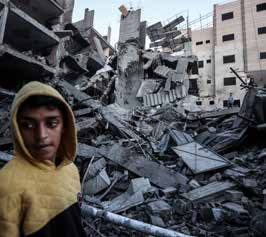
In December 2024, the Israeli military launched a new ground operation against the Nuseirat Refugee Camp in central Gaza. The assault, carried out with 17 vehicles and a large number of soldiers, resulted in the death or injury of over 50 civilians, most of them women and children. At least 20 buildings were completely destroyed. This marked the fifth Israeli attack on the camp’s Al-Jadid area since October 7, 2023. More than 100 Palestinians have been killed in attacks on this part of the camp alone.
Israel’s attacks and occupation of Syria
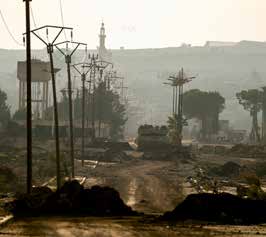
Following intensified clashes in Syria after November 27, Israeli attacks surged alongside the collapse of the 61-year-old Ba’ath regime on December 8. The Israeli army began destroying the remnants of the regime’s military infrastructure and expanded its occupation in the Golan Heights, which began in 1967. Israeli forces entered the buffer zone defined by the 1974 Disengagement Agreement and advanced as far as 25 kilometers from the Syrian capital, Damascus.
Airstrikes on Jenin
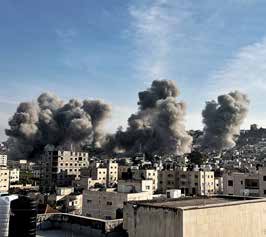
Despite a ceasefire declared in Gaza on January 20, 2025, Israeli forces have continued their operations in Jenin, in the West Bank. Since October 7, 2023, Israeli violence has steadily escalated in the West Bank and East Jerusalem. During this period, 860 Palestinians have been killed, and over 14,300 have been detained in raids. Most recently, 20 more individuals—including two women and several former detainees—were arrested during operations in Nablus, Hebron, Qalqilya, and Ramallah.
Attacks on Tulkarm in Northern West Bank
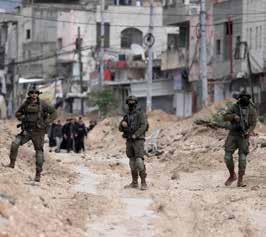
Following the Gaza ceasefire on January 19, Israel escalated its military operations in the West Bank. A total of 898 checkpoints were established in the region. On January 21, attacks that began in Jenin spread to Tubas and Tulkarm. In Jenin, 20,000 people were displaced, and 25 people—including a 2-yearold child—were killed. In Tulkarm, an 11-year-old child and a woman eight months pregnant were among the dead. Since the beginning of 2025, 75 Palestinians, including 11 children, have been killed in the West Bank.
Israel’s ceasefire-breaking attacks
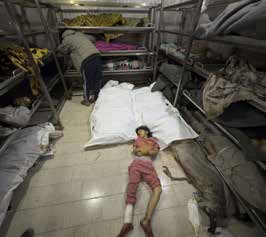
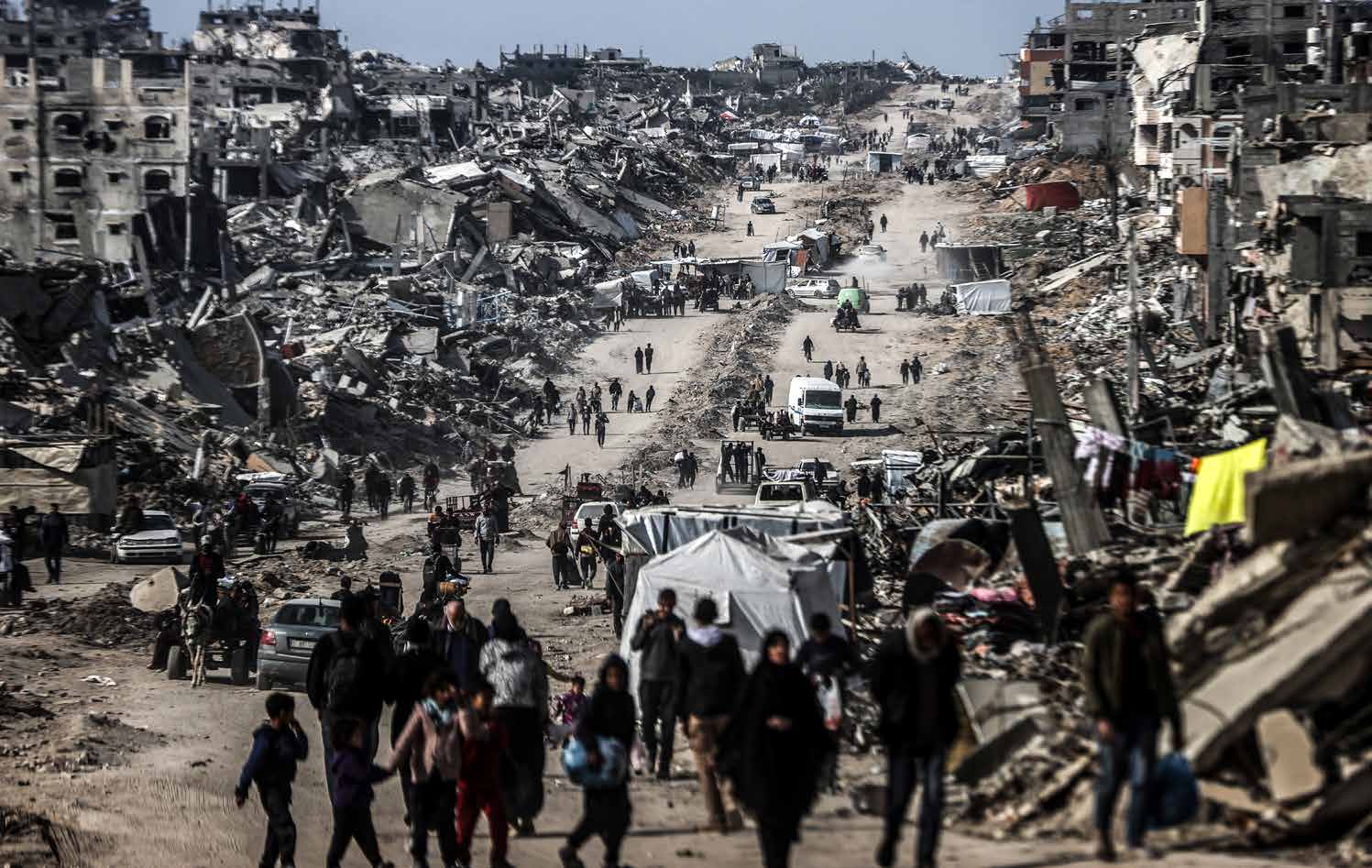
Despite the ceasefire that came into effect in Gaza on January 19, 2025, the Israeli army resumed heavy assaults on the morning of March 18. In the first three months following the renewed attacks, 1,652 Palestinians— mostly the elderly, women, and children—were killed, and 4,391 were injured.
Killing of medical and civil defense personnel
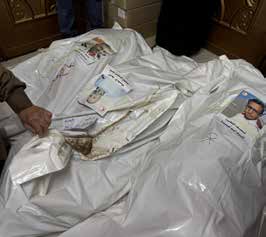
On March 23, 2025, the bodies of 15 medical, emergency, and civil defense workers—including a staff member from a United Nations agency—were recovered from a mass grave in Gaza on the first day of Eid al-Fitr. The victims were found still wearing their uniforms and gloves. Among the dead were 8 members of the Palestinian Red Crescent, 6 from the Palestinian Civil Defense, and 1 UN employee.
Dar Al-Arqam School massacre
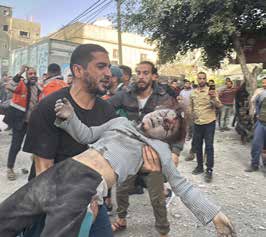
On April 3, 2025, Israeli warplanes launched an airstrike on Dar Al-Arqam School in Gaza, where displaced Palestinians had taken shelter. The attack killed 31 Palestinians, including several children.
Shuja’iyya massacre
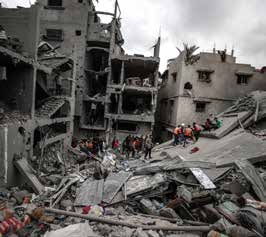
On April 9, 2025, Israeli warplanes bombed a residential area along Baghdad Street in the Shuja’iyya neighborhood in eastern Gaza City using high-impact explosives. The strike completely destroyed 10 homes, killing more than 35 Palestinians and injuring over 85 others. Most of the victims were children, women, and the elderly, and many people remained trapped under the rubble.
Attacks at aid distribution points
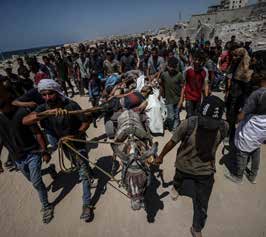
Footage from distribution points controlled by the U.S.-backed, Israeli-supported “Gaza Humanitarian Foundation” (GHF) showed random gunfire targeting Palestinians seeking aid. Between May 27 and October 6, 2025, systematic attacks at these so-called aid distribution points killed 2,610 people and injured 19,143. The UN High Commissioner for Human Rights announced that Israeli forces killed at least 410 Palestinians attempting to obtain supplies from GHF points.
Israel-Iran conflict
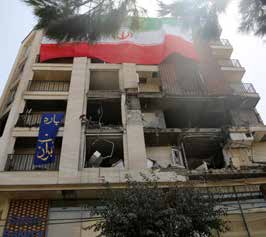
In the 12-day conflict initiated by Israel against Iran on June 13, with subsequent U.S. involvement, 627 people were killed and at least 4,870 were injured, according to Iran’s Ministry of Health. Israeli forces targeted and killed at least 25 senior Iranian commanders and 11 scientists.
Attack on journalists’ tent
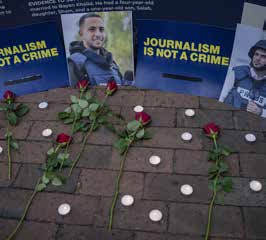
The Israeli army attacked a tent housing journalists near Al-Shifa Hospital in Gaza City, killing 6 journalists, including 2 Al Jazeera correspondents. Since October 7, 2023, the number of journalists killed by Israel in Gaza has reached 238.
Starvation as a weapon
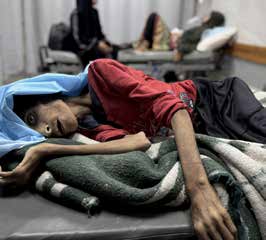
The Integrated Food Security Phase Classification (IPC), supported by the United Nations, reported that as of August 15, famine in Gaza had reached Phase 5—the most severe level. Due to the systematic starvation policy imposed by the Tel Aviv administration, 460 people—including 154 children—died from malnutrition in the Gaza Strip between the start of the genocide and October 6, 2025.
Israel’s attack on Doha
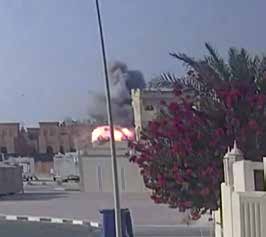
On September 9, Israeli warplanes struck a building in Doha, Qatar’s capital, housing Hamas’s negotiating delegation. While Hamas’s senior leadership survived, 6 people were killed: the son of Hamas Political Bureau member Khalil al-Hayya, 4 Hamas members, and 1 Qatari police officer. It was alleged that Israel had informed the U.S. beforehand and that the Al-Udeid Air Base—the largest U.S. base in the region—may have “turned a blind eye” to the attack.
Attack on the Global Sumud Flotilla

The Global Sumud Flotilla, which set sail to deliver humanitarian aid and break Israel’s blockade on Gaza, was attacked by Israeli forces on the evening of October 1 as it approached Gaza waters. The Israeli military illegally seized dozens of boats and ships, detaining hundreds of passengers. The flotilla was the largest collective effort to date aimed at delivering humanitarian aid to Gaza.
Gaza Ceasefire Agreement
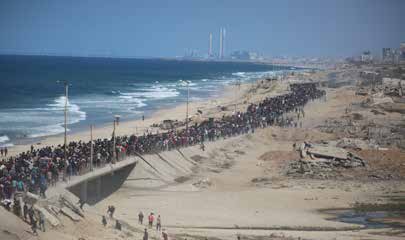
A ceasefire in the Gaza Strip came into effect at 12:00 p.m. local time on October 9, following an agreement reached in Egypt with the participation of Türkiye. The Israeli army began a partial withdrawal from several occupied areas. Gaza’s Ministry of Health reported that, in the 24 hours preceding the ceasefire, Israeli attacks killed 17 people and wounded 71 others.