
What kind of psychology were you in regarding the things you witnessed while working in the face of imminent danger of death?
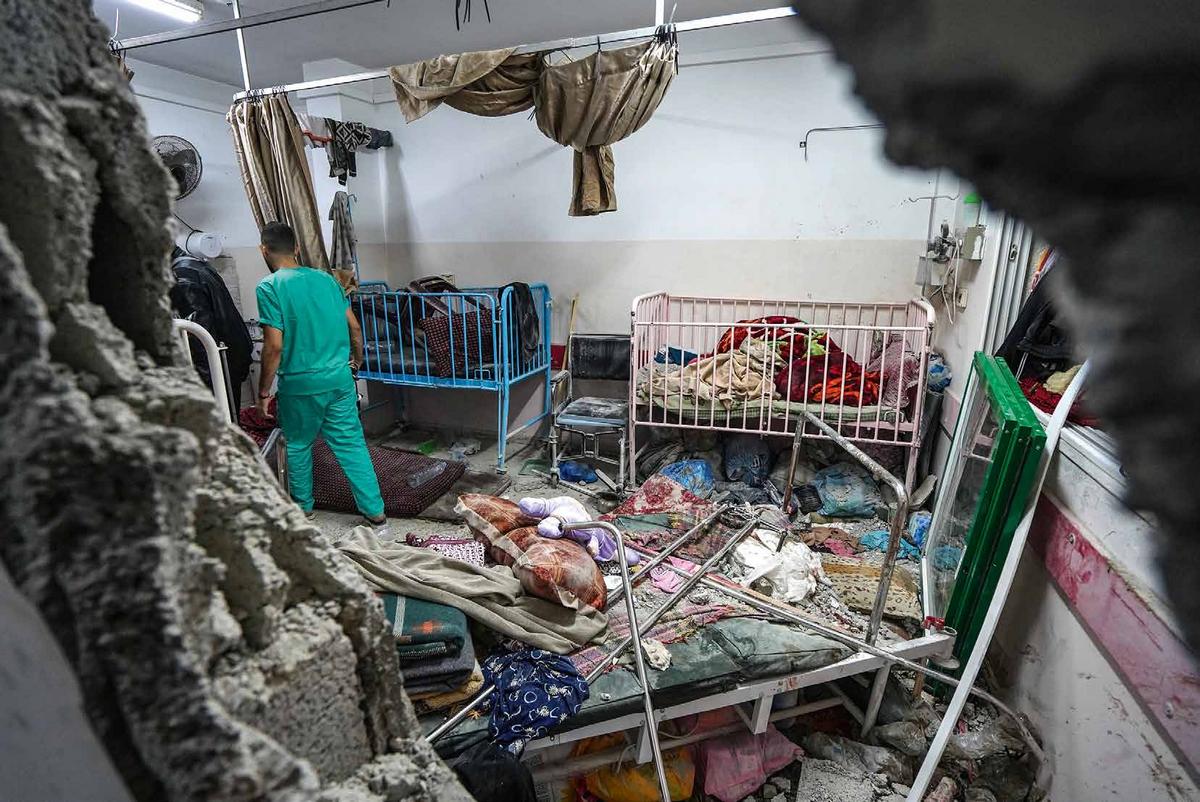
We worked in Gaza for more than 60 days during Israel’s war on Gaza. We have faced tremendous challenges in the face of a merciless Israel’s bombings, especially against children, women, and buildings with all their residents in them.
In the same way, Israel carried out bombings against journalists, including Montaser al-Sawwaf. Montaser and I were very close. We were more like brothers than friends; I would visit him and he would visit me. When he was martyred, it was as if a catastrophe had descended on me; I did not know what to do or how I was to continue without him. Montaser was far away when he was martyred; he was in the north of Gaza and I was in the south. I didn’t know anything... a relative of Montaser called and told me that Montaser and his brother had been martyred. It was shocking news, and it was not easy for me to accept this situation because we had been together for many years. I’d known him since 2012. I wanted to confirm if he had been actually martyred or if there was a different situation. When I spoke to his brother, he confirmed that Montaser was martyred on the street in front of his house when the house was bombed. The situation in the Gaza Strip was very difficult. Montaser could not find an ambulance to take him to the hospital. And when he was finally taken to the hospital, there was no doctor to attend to him, I was told. According to a relative, he continued to lose blood until he died.
How did you continue to work under this peril while your fellow journalists were martyred before your eyes?
It is our duty to continue working in the Gaza Strip under Israeli attacks targeting journalists and civilians. It is our duty to convey the humanitarian message that we need to give, to convey the suffering of the Gaza Strip. So, this is like... it means that it is our primary duty to communicate the massacres of civilians and the vulnerable in the Gaza Strip and the crimes committed by Israel. We carry out this task in Gaza, as hospitals, journalists, innocents and civilians are simultaneously bombed.
Have you ever hesitated to continue working?
We did not hesitate to continue working even for a moment as civilians and vulnerable people were targeted, because we need to get this message across to the world: “Israel is carrying out massacres against innocent civilians in the Gaza Strip.
Is there a humanitarian incident in your memory that you find particularly difficult to forget?
There are many incidents, but the most prominent of these events was that more than thirty people from my family were martyred. I was on my way to the office when they were martyred.
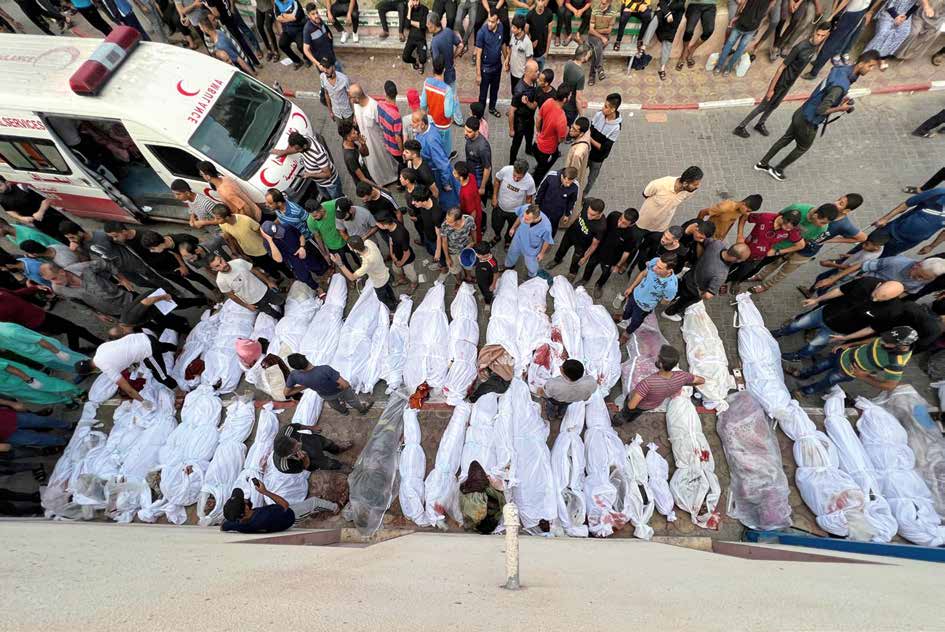
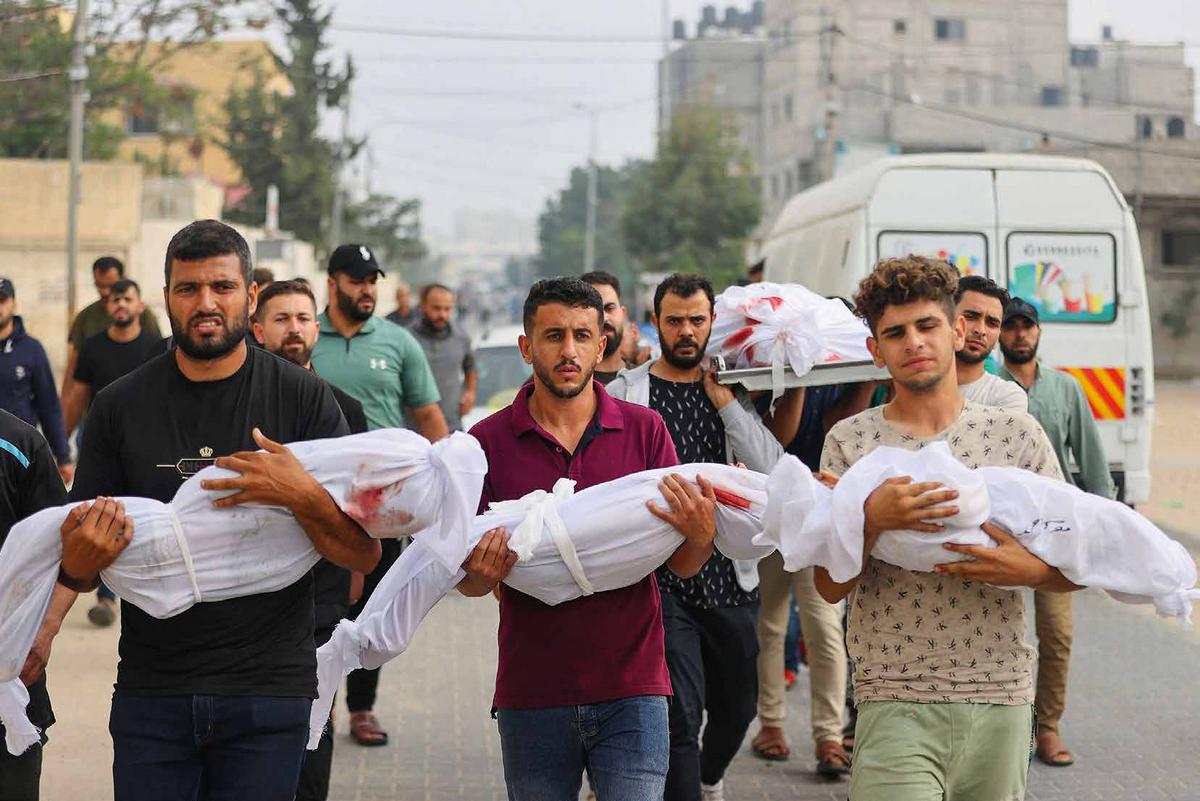
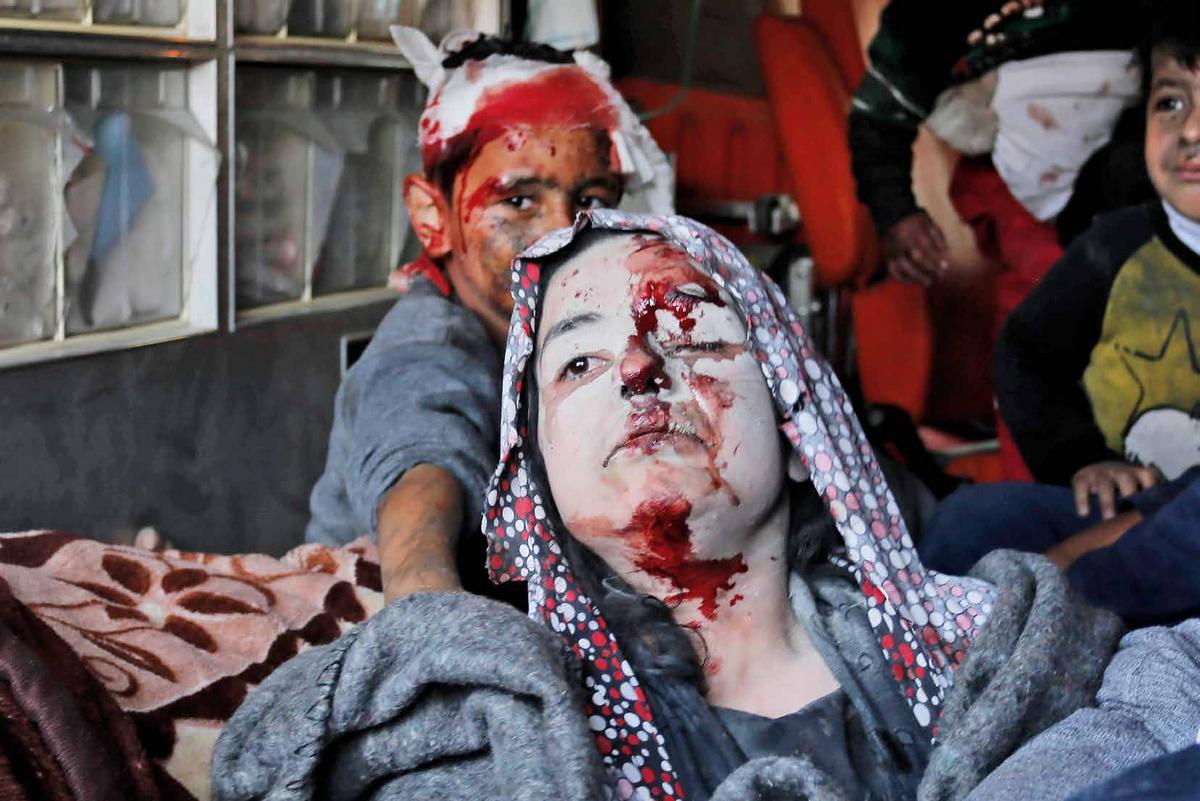
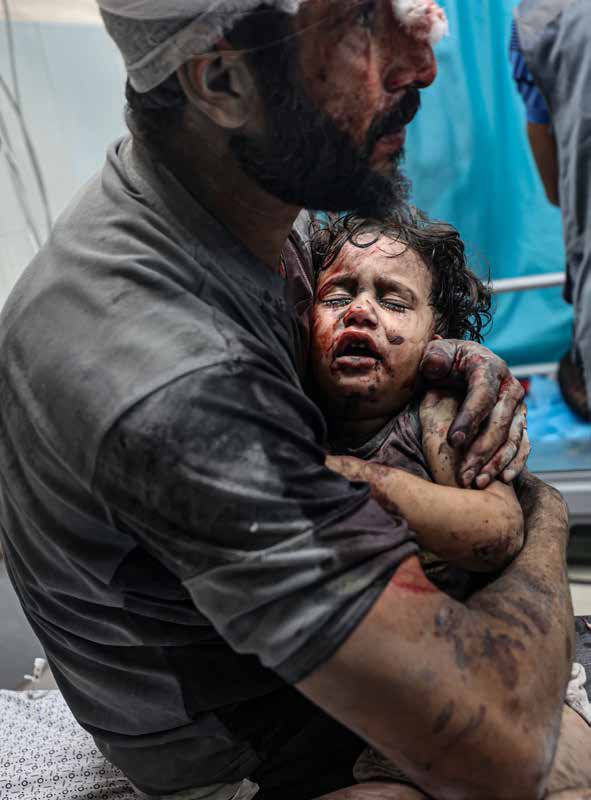
When I had got away about five hundred meters from our house, a black cloud rose behind me along with the deafening blast of an explosion that shook the surroundings. I immediately started recording with my mobile phone, not knowing that it was my family’s building... At the same time I’m a photographer; I also take pictures and send them to Anadolu Ajansı. That day when I saw the Israeli massacre of children and the bloody scenes, I turned off my phone’s camera to help civil defense and medical teams transport the wounded and the bodies of the martyrs, most of whom were women and children. An incident occurred while searching for bodies among the rubble. One of my relatives said that we could search a certain spot. I told him that there were no martyrs there, that they were far from where he said we should search. But he told me to go with him all the same, and I did. We looked under the trunk of an olive tree there. When we lifted one of the stones under the tree, we saw blood oozing from there. And there we found three siblings, who were my relatives. We continued our search and found many bodies that had been dismembered and many body parts that had got flung about in Israeli attacks.
I witnessed another incident when we crossed from the northern area of the Gaza Strip to the southern region. There was panic among the citizens at the checkpoint.
Israeli soldiers were shooting in every direction, summoning individuals at will. They issued orders like, “Hey, red jacket! You come” or “Hey, the one in the blue jacket! You come; take off your clothes and come.” Despite their families pleading, “Don’t go, don’t you go!” it was in vain because those who didn’t comply were shot.
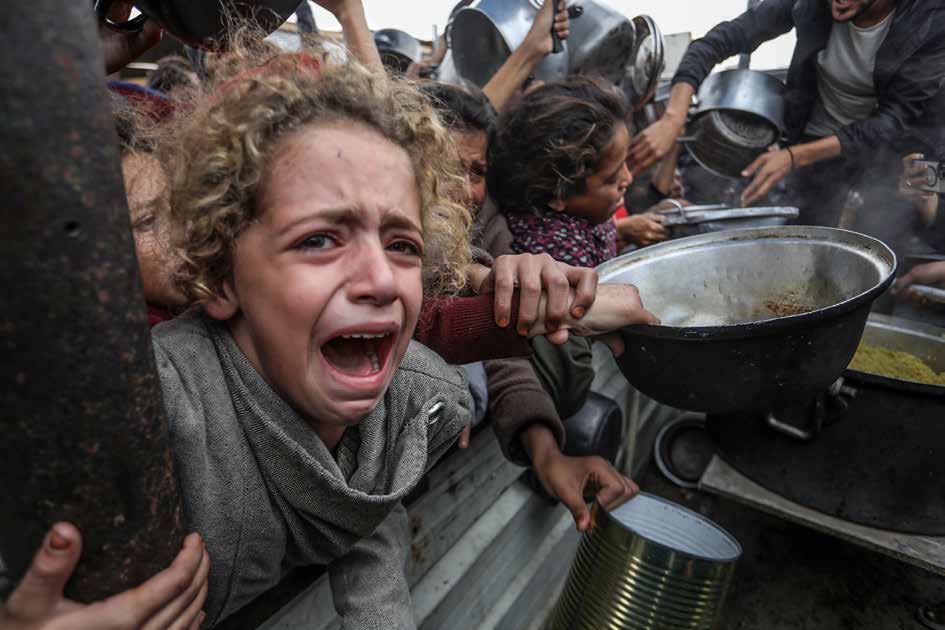
In another heart-wrenching case, a father walking with his little daughter on his right arm was told to undress, drop the child, and come to the soldiers on the left side. He reluctantly left his daughter, and as she began to cry, I took her in my arms and continued walking with her. A few meters later, I encountered her grandfather, who informed me that the child was his son’s daughter.
What happened to her father?
The soldiers took him away, and I don’t know what happened next. There was no information about his release, and I’m unaware of the events that unfolded after that. The grandfather took his granddaughter and left. When he inquired about his son, I told him the soldiers had taken him. He called to me, picked up the girl, and I continued walking. After we got a little far from the soldiers, I said to my children, “Alhamdulillah, we are kind of out of the woods.” Holding onto my children, my wife and I continued walking for a long distance until we spotted carts pulled by horses or donkeys. People used these carts to travel to the southern areas of al-Balah, al-Nuseirat, and Khan Yunis.
You mentioned witnessing human dramas involving families whose homes were destroyed in bombings. Could you share a bit about that?
In Deir al-Balah, a house was bombed, resulting in the loss of the entire household. I don’t know the exact number of casualties.
This family, initially residing near the tent where we worked and stayed, struggled to find a place to stay after the injured were taken care of. Eventually, they insisted on living in the upper floor of the neighboring house, which had a kitchen with a roof. However, it was not suitable for living in. We invited this family to share their daily life with us. They slept amidst the wreckage without any cover, beds, or basic necessities for human life.
We documented their daily life stories while the wife did laundry amidst the wreckage, and the husband helped with cooking. Similarly, the children played around the remains of their home. Despite the devastation, they chose not to abandon their residence; it just held too many cherished memories. According to the stories they shared, this house was filled with joyful moments, and they were unwilling to part with it. I maintained contact with them, and they stayed in the house until we left Gaza. My friend Ali Jadallah and I recorded their story.
After the photo session concluded, the father began frying peppers and tomatoes, a dish known as “fried tomatoes” in Gaza. Despite the lack of bread and salt, the father insisted that we join them for the meal. He warmly invited us, and we shared dinner together, seated on the mattress they had prepared for us.