
How were you affected by the attacks in Gaza?
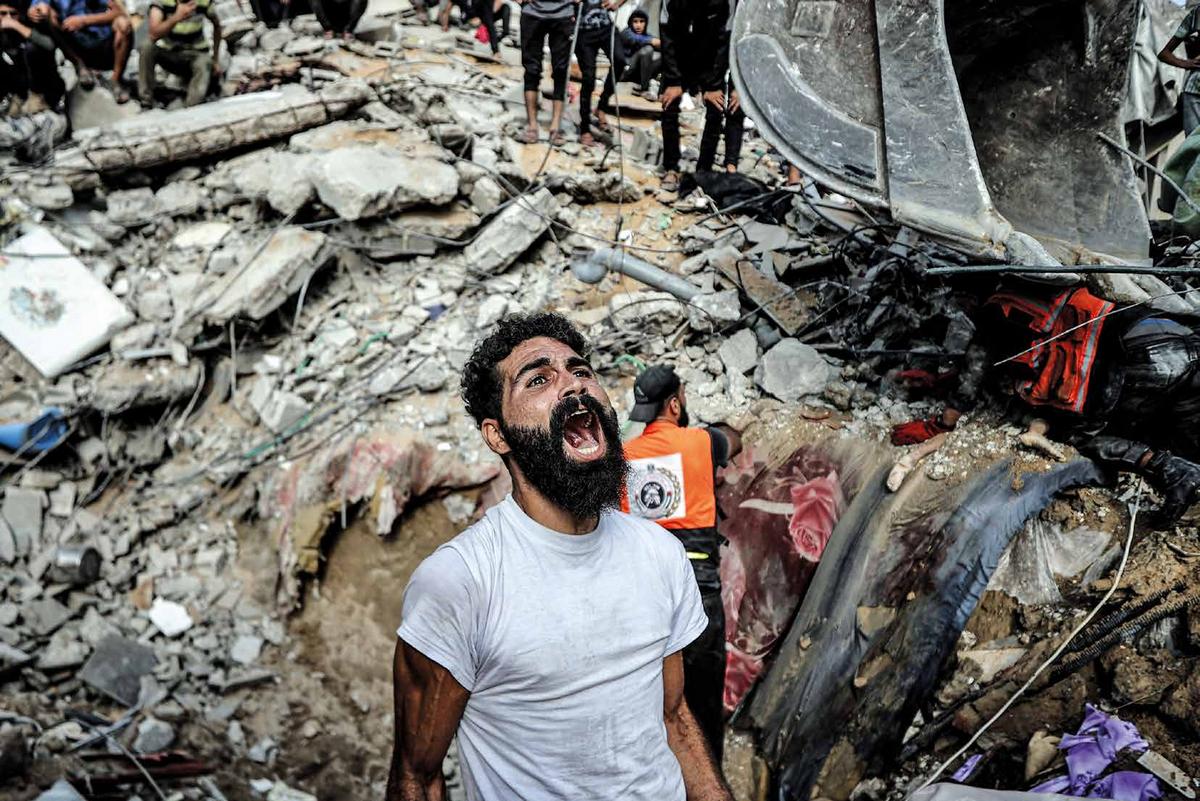
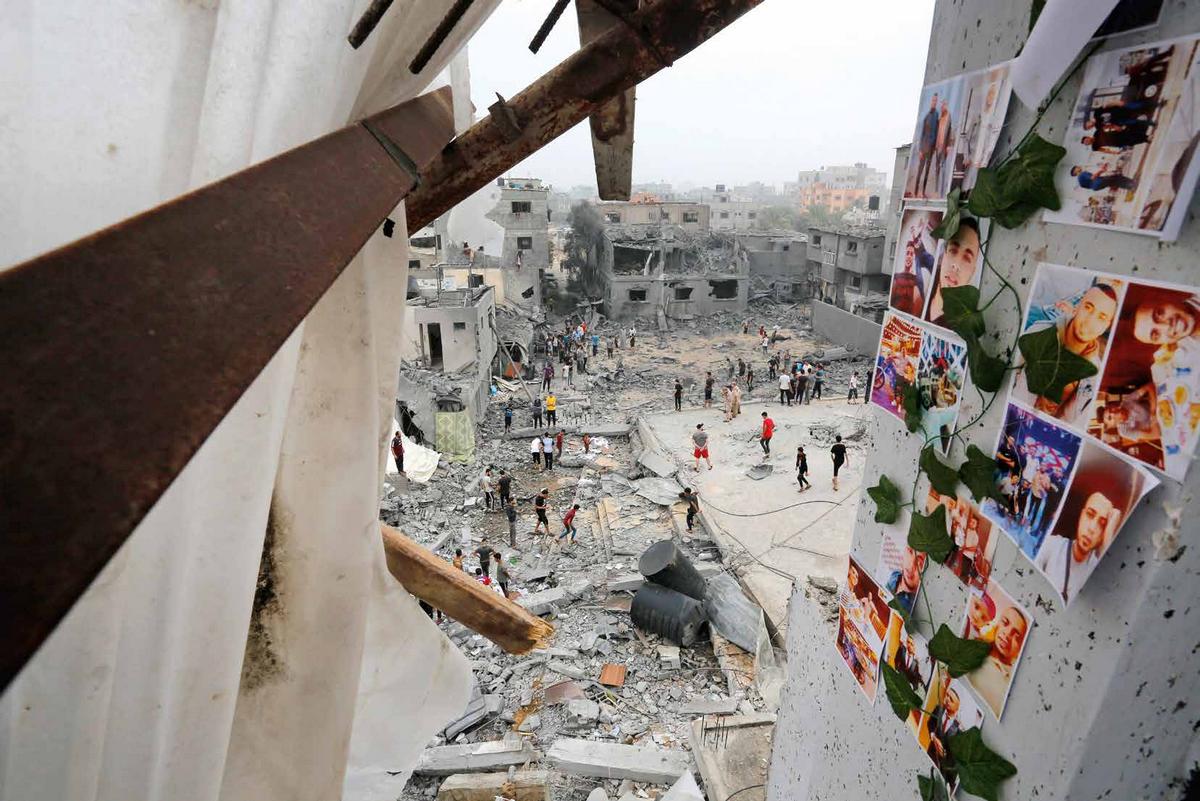
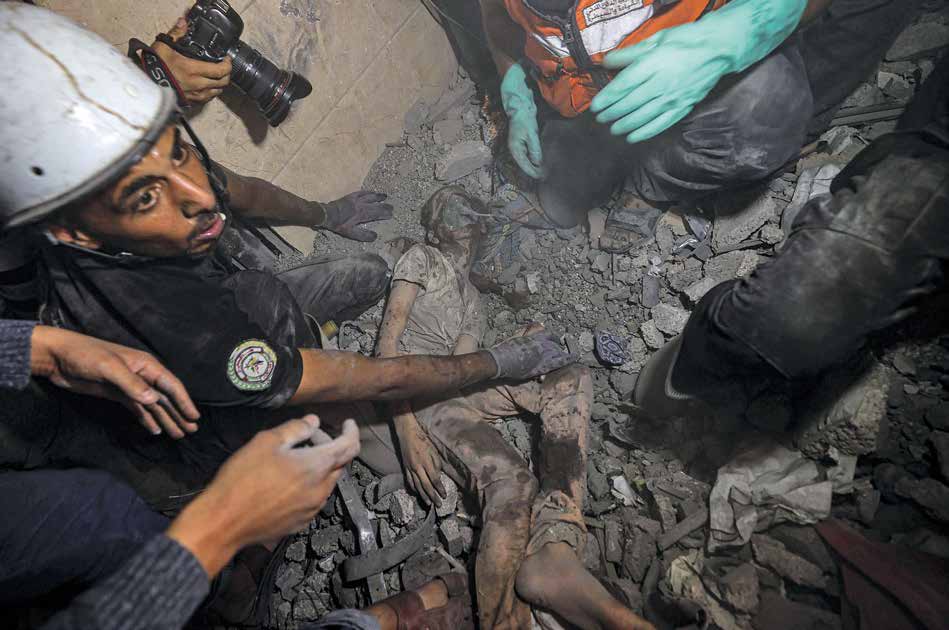
Since the beginning of Israel’s war on Gaza, pregnant women have been particularly adversely affected. The intense aerial bombardment conducted by the Israeli army across all districts has had severe consequences for everyone.
One of the documented phosphorus attacks was carried out on your neighborhood. Where were you at the time?
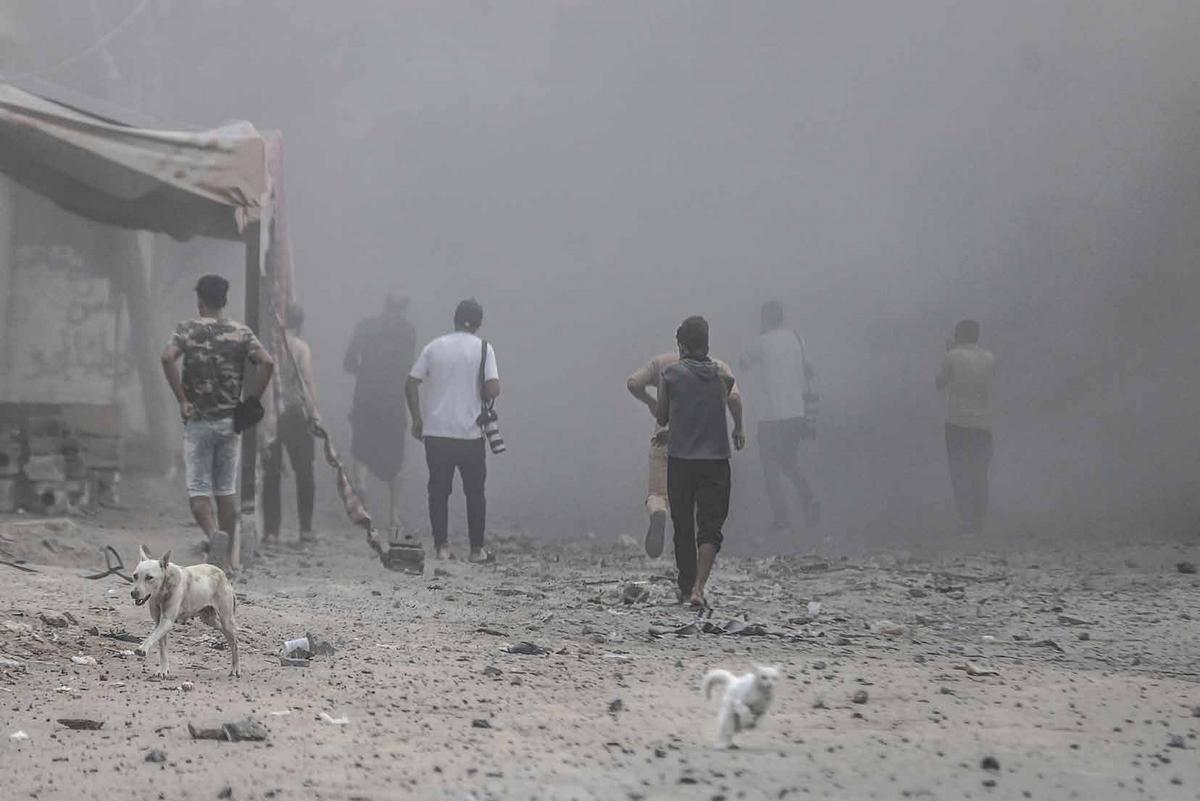
I was in the Nasser Neighborhood in northern Gaza. The neighborhood I resided in experienced intense air strikes and bombardment with phosphorus bombs carried out by warplanes. The fumes and gases from phosphorus bombs pose significant harm, especially to the unborn babies of pregnant women and the elderly.
What was your biggest challenge as a journalist during the bombings?
The most challenging aspect was navigating between my home and our office in downtown Gaza. Israeli warplanes consistently targeted streets and bombed all the main roads, making movement extremely difficult.
What kind of problems did you experience after relocating to the southern region?
After moving from Gaza to the southern region, we encountered numerous difficulties. There is no Internet here, electricity is cut off and there is no transportation. I had to resort to writing my reports on notepads, taking pictures with my phone, and then sending them to the headquarters. In essence, we were working with the primitive methods of 20 years ago.
I often had to walk long distances to report or capture shots. My baby in my womb was also not doing well.
How were you able to continue working as a journalist, but especially as a pregnant woman?
We can be attacked by Israel at any time. I may suffer a health problem at any time. I felt dizzy from time to time and would sit on the sidewalk to rest for at least half an hour to recover.
What did your family do during this process?
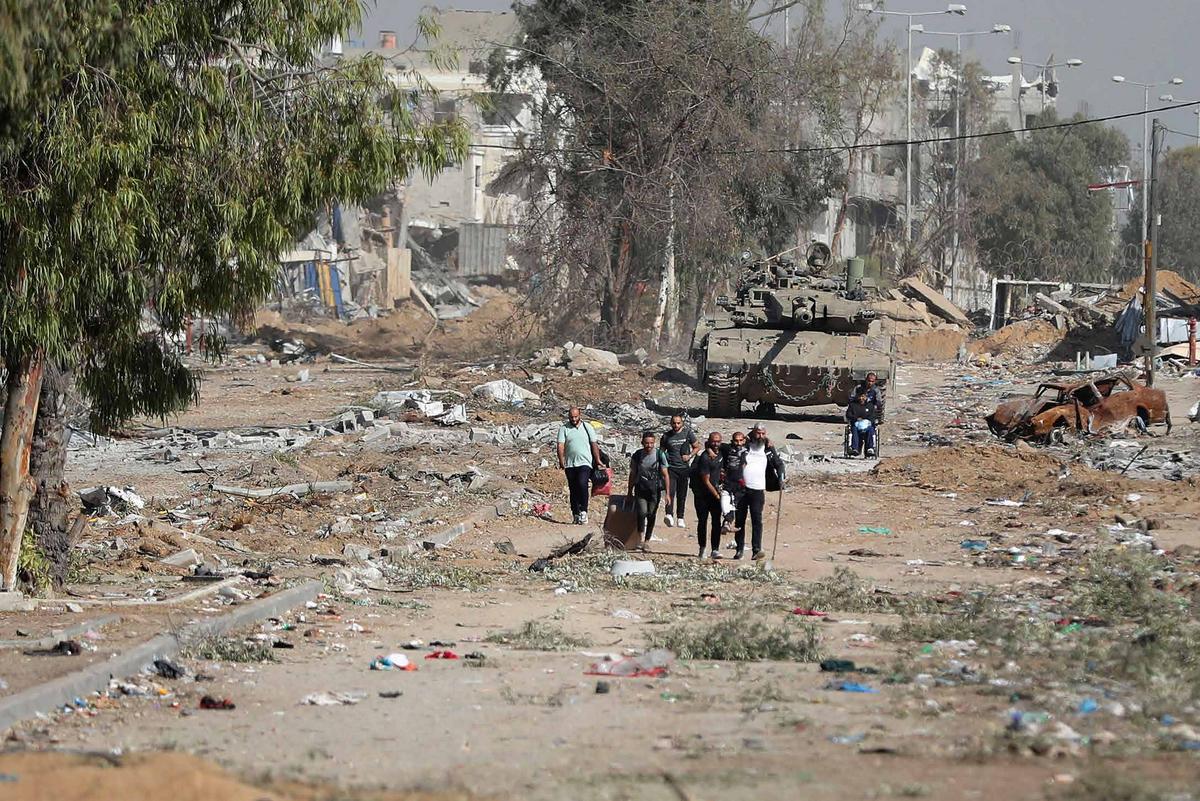
My family, including my father, siblings, and mother, found themselves stranded in different locations where they couldn’t leave. After our displacement, my family had to relocate to another city in Gaza. For instance, my brother is in a different part of Gaza, and I moved to the southern city of Rafah.
How did your husband react to you performing your duties in this state?
My husband has consistently provided support and encouragement. He would often accompany me as I covered events, displaying care and concern for my well-being. He was almost always with me on the road in case of any potential harm during an Israeli attack.
Being a journalist in Gaza...
Being a journalist in Gaza is an extremely challenging task. The trauma of losing people and witnessing the destruction of buildings and homes lingers. The added threat of journalists being targeted creates an environment fraught with sadness and concern. However, these worries don’t deter us from fulfilling our responsibilities.
For example, even some homeowners and business operators who rely on solar panels have refused to provide us with electricity. Their fear stems from the potential of being targeted in airstrikes, not only affecting them personally but also their families.
Israel, in addition to targeting journalists, seeks to undermine or completely obliterate the Palestinian society’s awareness of the press.
(Despite all such obstacles), we haven’t yielded in carrying out our work since the beginning of the war. Only occasional pauses occurred due to heavy conditions, electricity issues, and internet disconnections.
What impact did being specifically targeted have on you as journalists?
Israel’s attacks, the brutality witnessed, and the humanitarian tragedy in Gaza have strengthened our commitment and turned us into real journalists.
What are your thoughts on returning to Gaza?
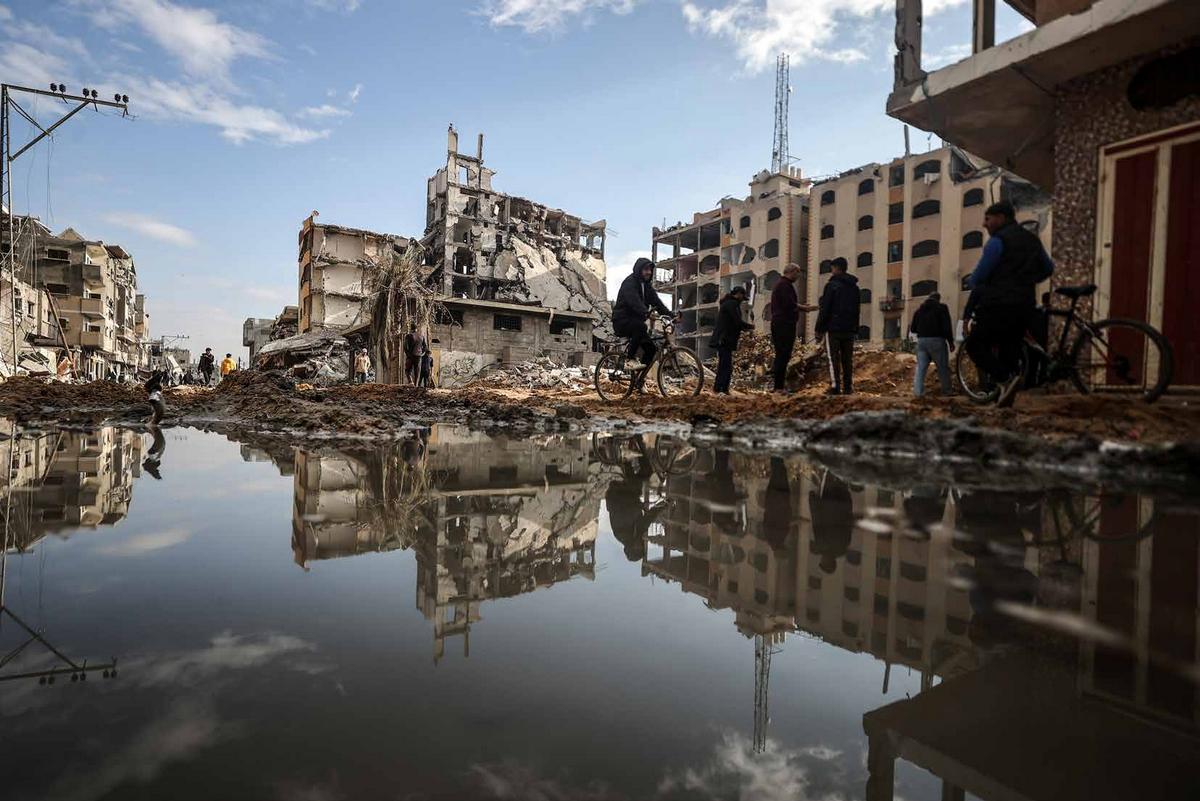
Returning to Gaza, our homeland where we were born and raised, is a shared dream for everyone. But where will we go back? There are no hospitals or infrastructure left...
Nonetheless, Gazans want to start their lives anew by setting up tents on the rubble of their destroyed homes. There are those who want to hold onto life despite everything.