
What is it like to be a journalist in Gaza?
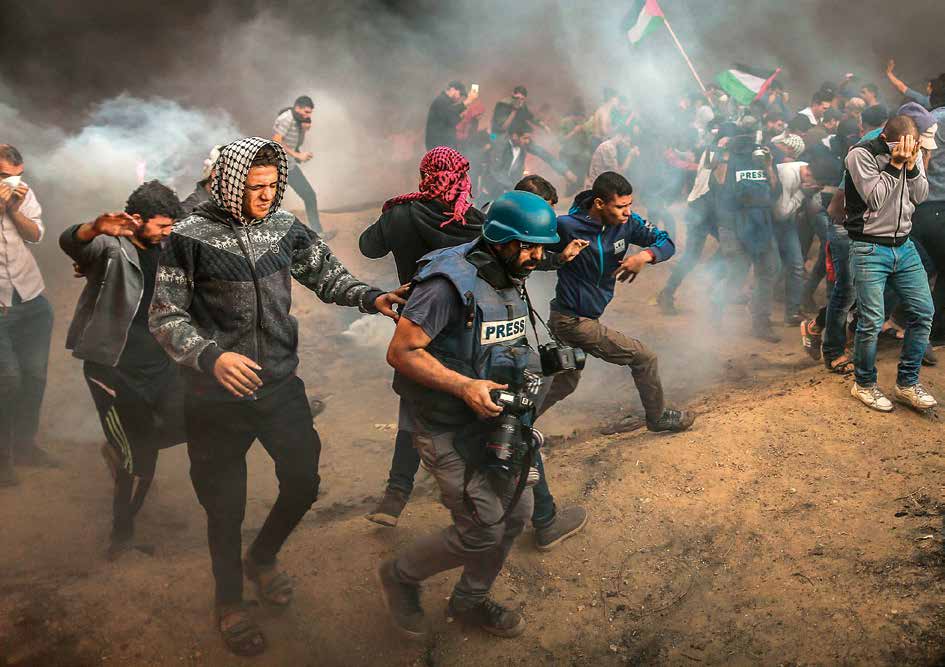
I think being a journalist in Gaza is like holding your life in the palm of your hand; a stark contrast to journalism anywhere else in the world. Death lurks on every street, and everywhere there is the threat of being killed by the Israeli army. There are no boundaries or red lines that the Israeli army respects. International conventions and treaties that state that some people are to be safeguarded (in armed conflict) seem nonexistent to them. Everything that moves is considered a target by this army.
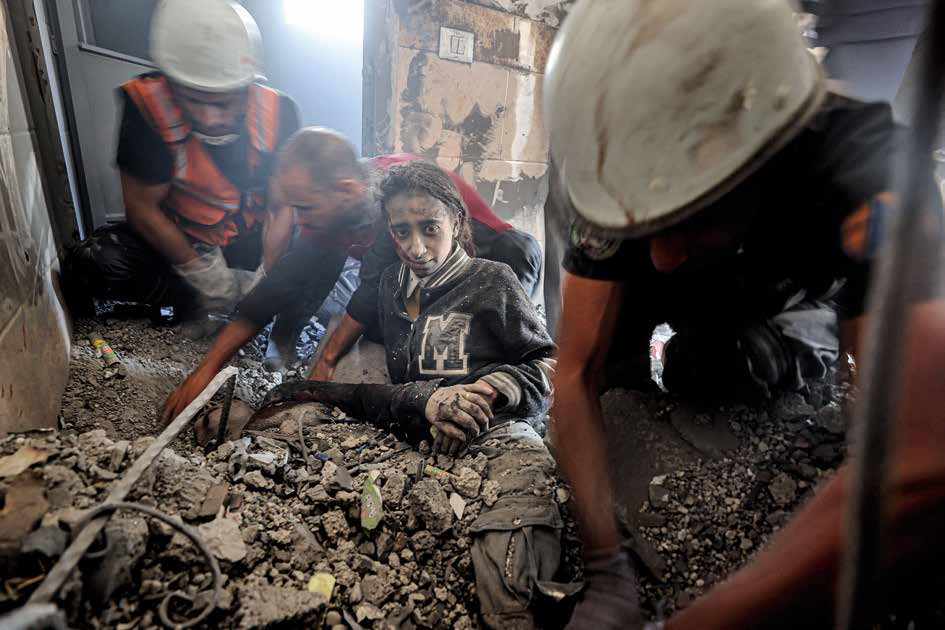
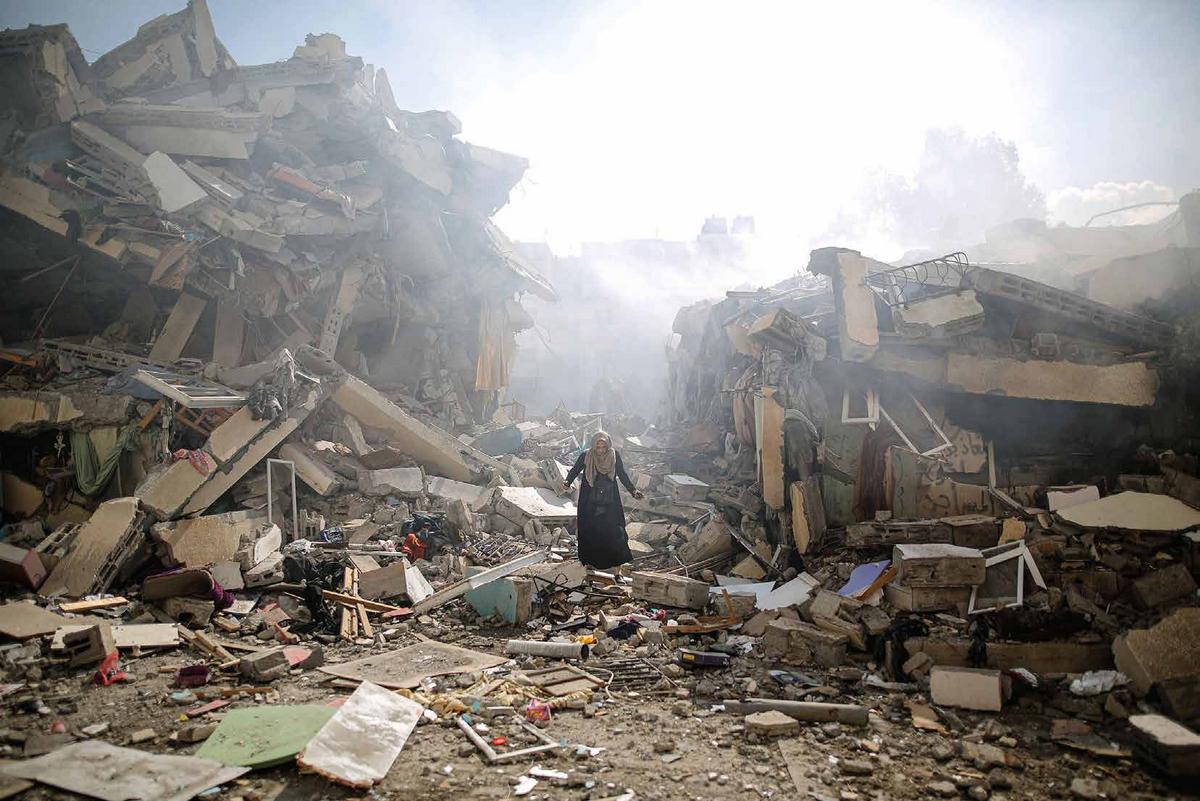
Venturing into risky areas in Gaza as a journalist means having your life hanging by a thread. The specter of death accompanies you everywhere, and the fear of not making it back looms large. Even if you manage to avoid getting killed, the risk of being wounded is ever-present. Despite this, giving up on our work is not an option. On the contrary, our only choice is to persist and convey the message. Our duty is to capture that photo, whereby the harsh reality on the ground is revealed to the world. Regardless of the potential personal cost, that photo must be delivered.
How do you, as a journalist, cope with the emotional toll of what you’ve witnessed in Gaza? Have you ever considered leaving journalism given the challenging experiences you’ve faced?
We are, after all, human beings. We feel like anybody. But we don’t have the option to stop. If we don’t send these photos, who then will? When you lose a friend, a sibling - and we have all endured such losses- it’s not just a person that you lose. For example, I lost two members of my family, I lost a colleague. Three of my friends lost their families. I mean, you don’t have a choice to stop or continue. You don’t get to choose. These are roles that are assigned to you. You have to keep going. This is a patriotic duty assigned to you. What you must do for these people is to communicate their message. So, you have to keep going; it’s not up to you to choose to continue or not. No, you are obliged to continue; you have no choice.
I’ve never entertained the thought of quitting. For me, giving up is an escape. Our role is to persevere.
In our perspective, delivering these photos is a sacred duty. Photographs are entrusted narratives we are obliged to communicate. Our position as members of the press is akin to that of a doctor, a first aid worker, or a civil defense officer - each with a unique role. Ours is to communicate these images to the world. The notion of fleeing or surrendering has never crossed our minds.
Do you believe the images effectively capture the reality in Gaza?
A camera is just a tool; it falls short by itself. Both photos and words struggle to encapsulate the true essence and gravity of the situation in Gaza, especially the intensity of Israel’s relentless assault on civilians. A needle, for example. Even the simplest, most basic necessities of life are lacking right now. But what this camera does is one of the most important tasks to improve the situation in Gaza, because the world needs to see the reality on the ground.
Can you share the story behind capturing that iconic shot with the tank in the background, taken in the area where people were crossing over to the south?
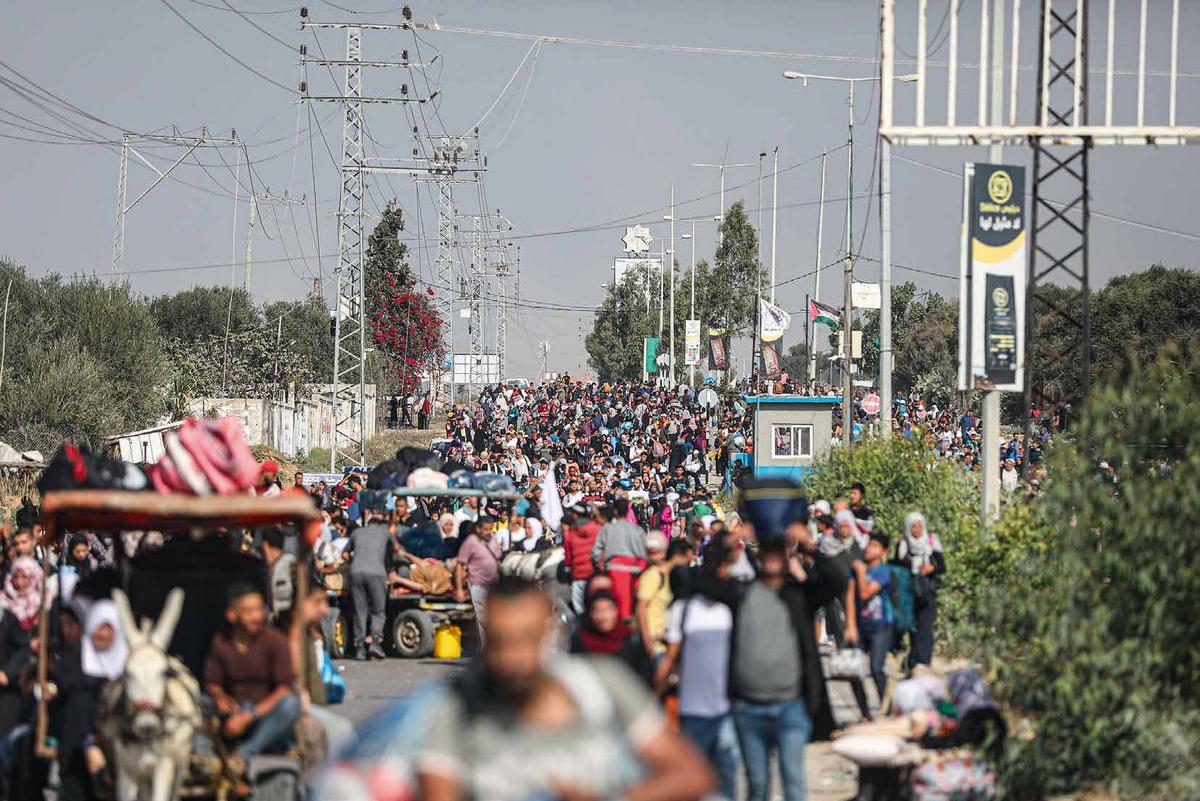
The mentioned area served as a division point. The Israeli army had set up a military post, acting as a barrier between the northern and southern regions of Gaza. The residents of the north were instructed to relocate southward, passing through this military checkpoint. It marked the first encounter for civilians with the tanks and military equipment amassed in that area. Personally, it had been a while since my last visit to that location, although it used to be a frequent destination for me in the past.
Once, during my visit, I observed that among those crossing the military checkpoint were patients from the Al-Shifa Hospital. Due to a lack of coordination with this checkpoint, ambulances were unable to pass through, compelling patients to make the journey independently. Some sought assistance, while others ventured through on their own, even carrying medical supplies like intravenous fluids. Patients maneuvering past colossal tanks…
On that particular day, I stood at a distance, capturing images of the migrating crowd. My lens focused on civilians navigating through this military point. It was mostly civilians passing through here. Amidst them, I took the poignant photo of a couple of patients moving past the tank - one in a wheelchair and the other with crutches, determined to traverse this challenging terrain.
However, even for these individuals, the Israeli soldiers exhibited no mercy. Once they had navigated past the tanks and made some progress, they became targets of gunfire. Similarly, shots were directed towards the area where we were positioned.
What was your response when those shots were aimed in your direction?
As you’re aware, Israeli soldiers kill journalists just like that, so gunfire meant imminent danger for us. In that critical moment, our instinct was to find cover from the bullets. A tree, a large tree nearby became our refuge. I sought shelter behind it. However, with the tanks continuing to advance, the situation became more and more dangerous. The frequency of gunfire intensified.
Reality set in, and we had to strategize not just about capturing images but also about our own survival. Escape became the only viable option. Fleeing in the opposite direction of the advancing tanks became our only choice, heading further south for safety.
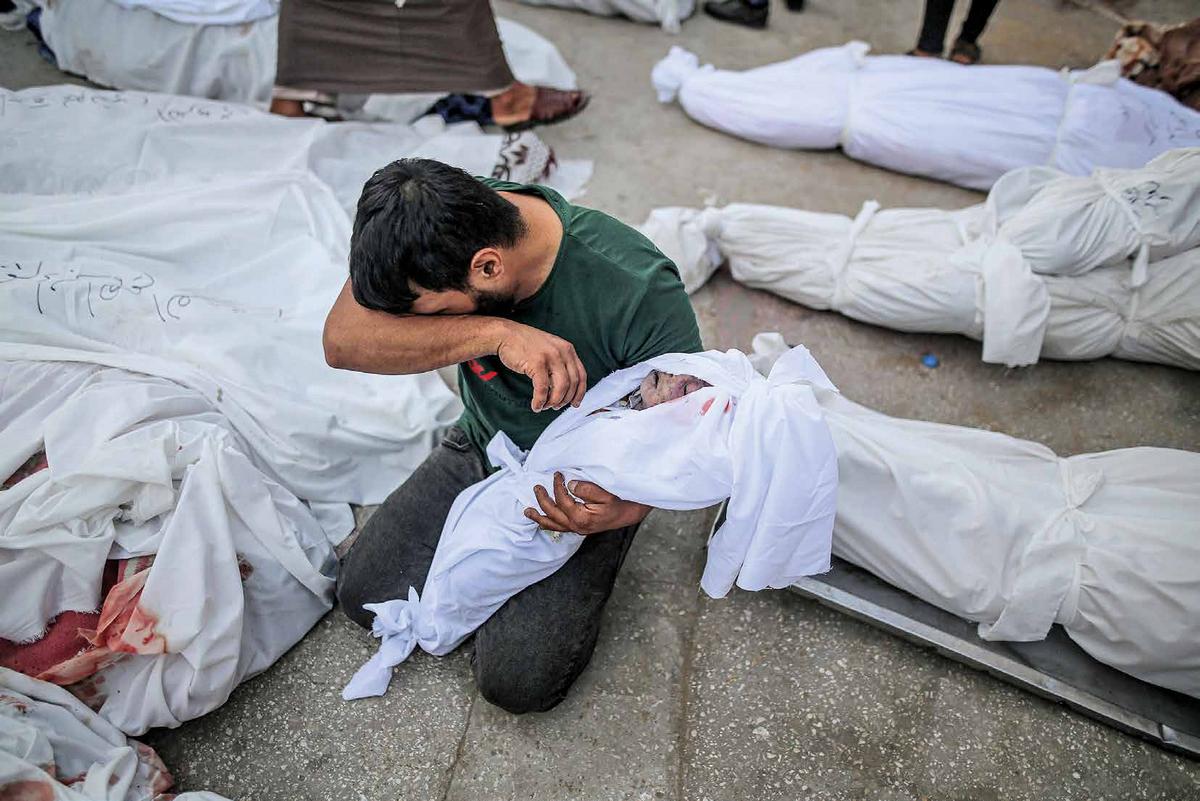
As a journalist in Gaza, you have witnessed countless scenes of pain and loss. Which moment affected you the most?
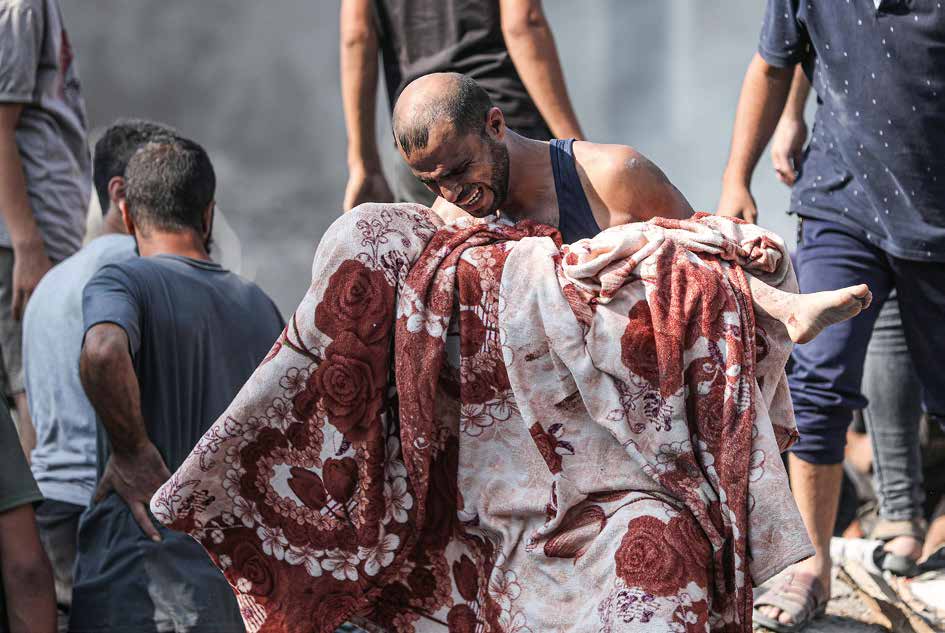
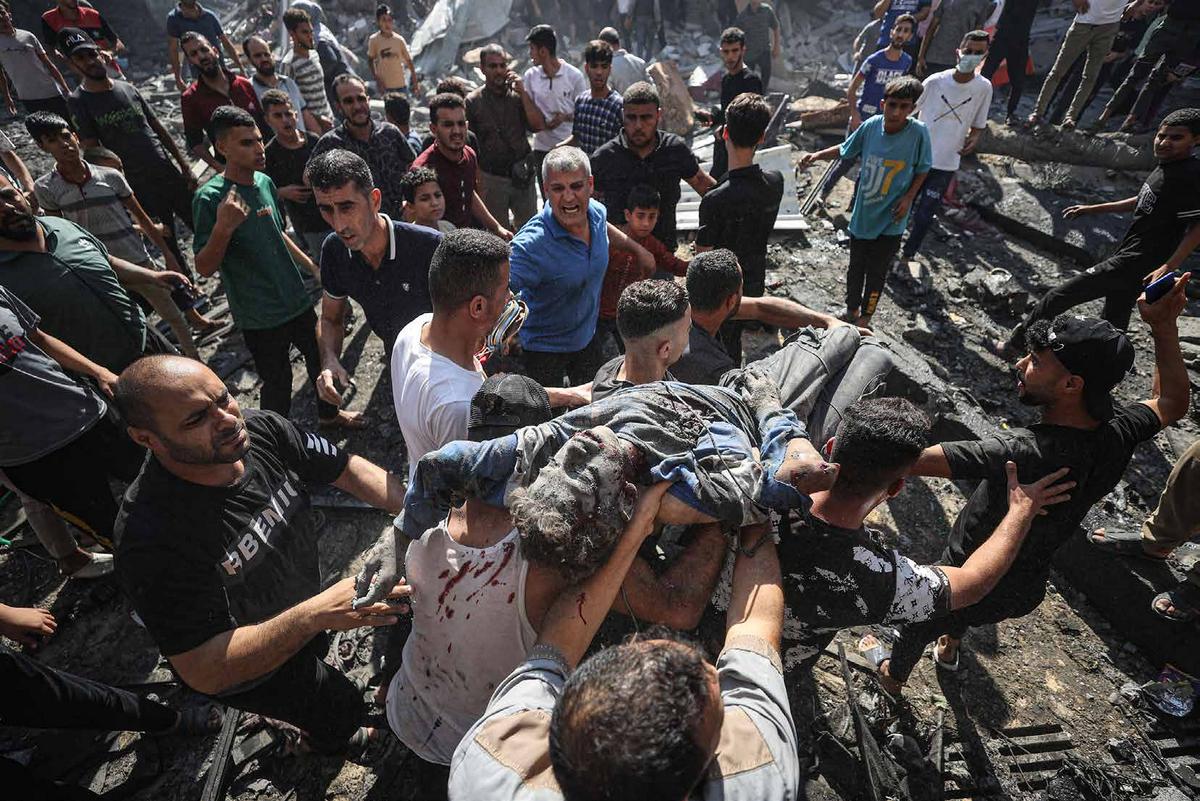
The most heartbreaking moment for me was when a father arrived at the hospital after losing six members of his family. Lying before him were six bodies—his children and other relatives. He stood frozen, unsure which to touch or hold. With one arm he cradled one child while with his other hand he tried to identify the others. When I saw this, I was utterly shattered. I couldn’t shake the thought that it could have been me—or my children in their place. It became one of the clearest, most haunting images I carry with me. In that moment I could no longer carry on. I had to stop and be present with what I’d seen—because there, without exception, we are all targets.
Do you have plans to go back to Gaza?
Absolutely, returning is on my mind. This hiatus is not a break for me; it’s a precautionary measure to ensure the safety of my family.
Resuming work is a top priority for me, and returning to Gaza holds a significant place in my plans. If an opportunity to work emerges, I’m hopeful and willing to return to carry on with my work.