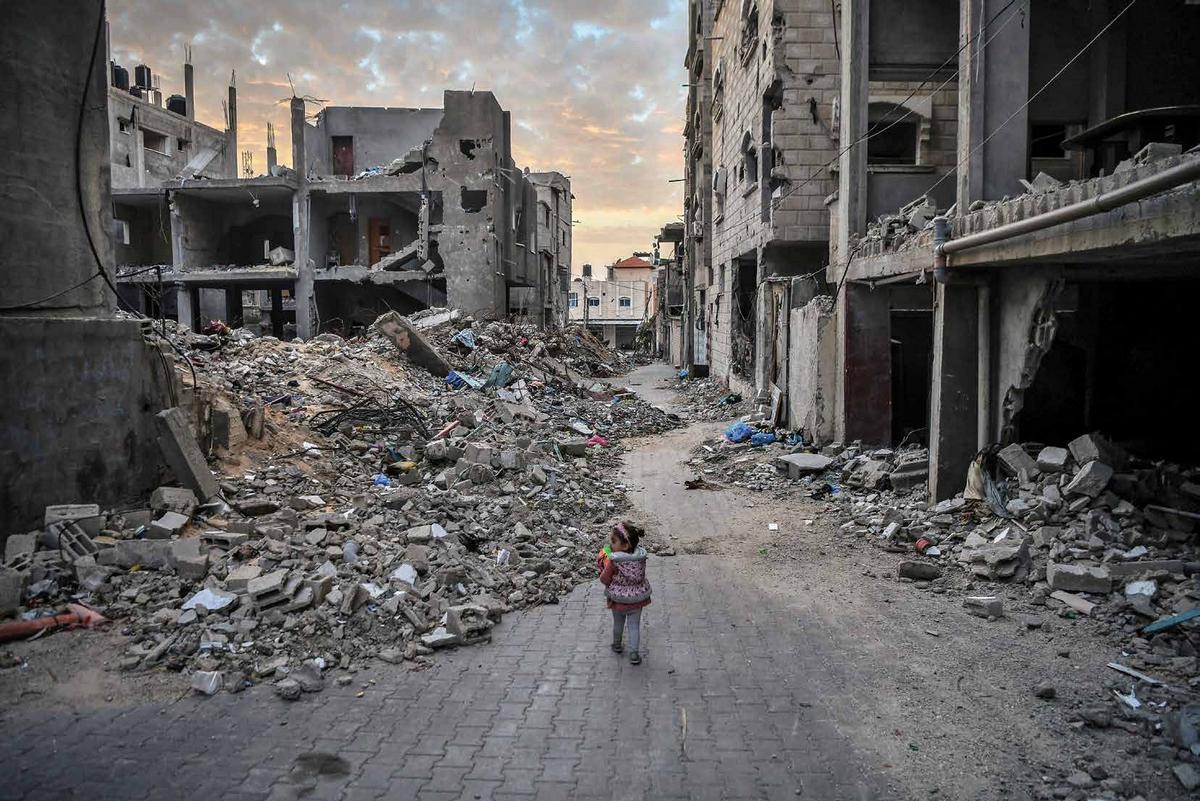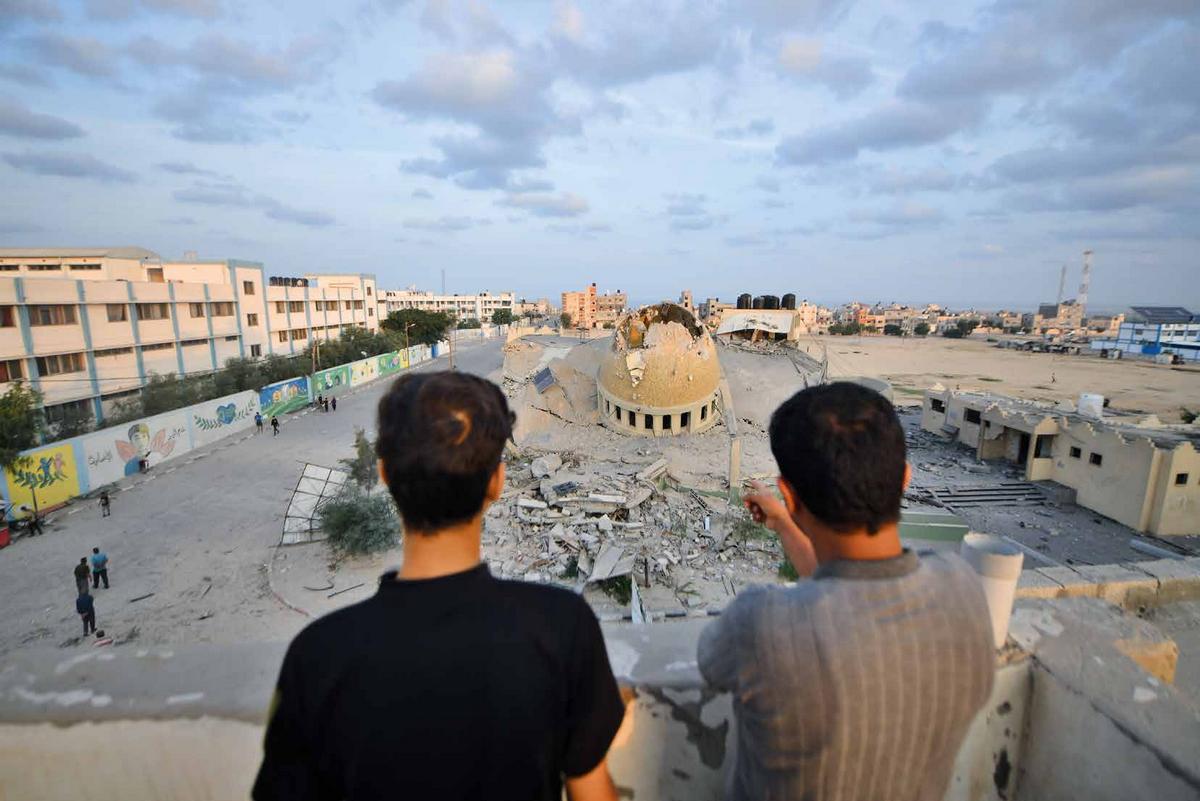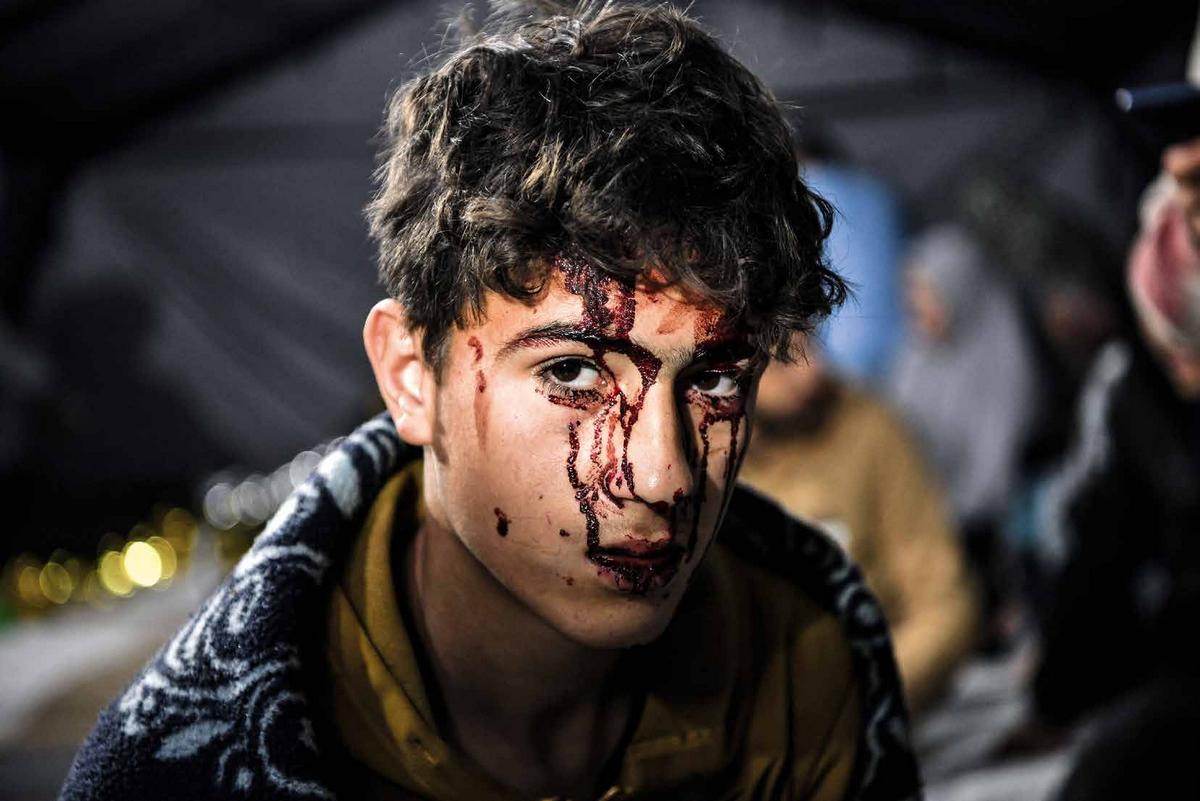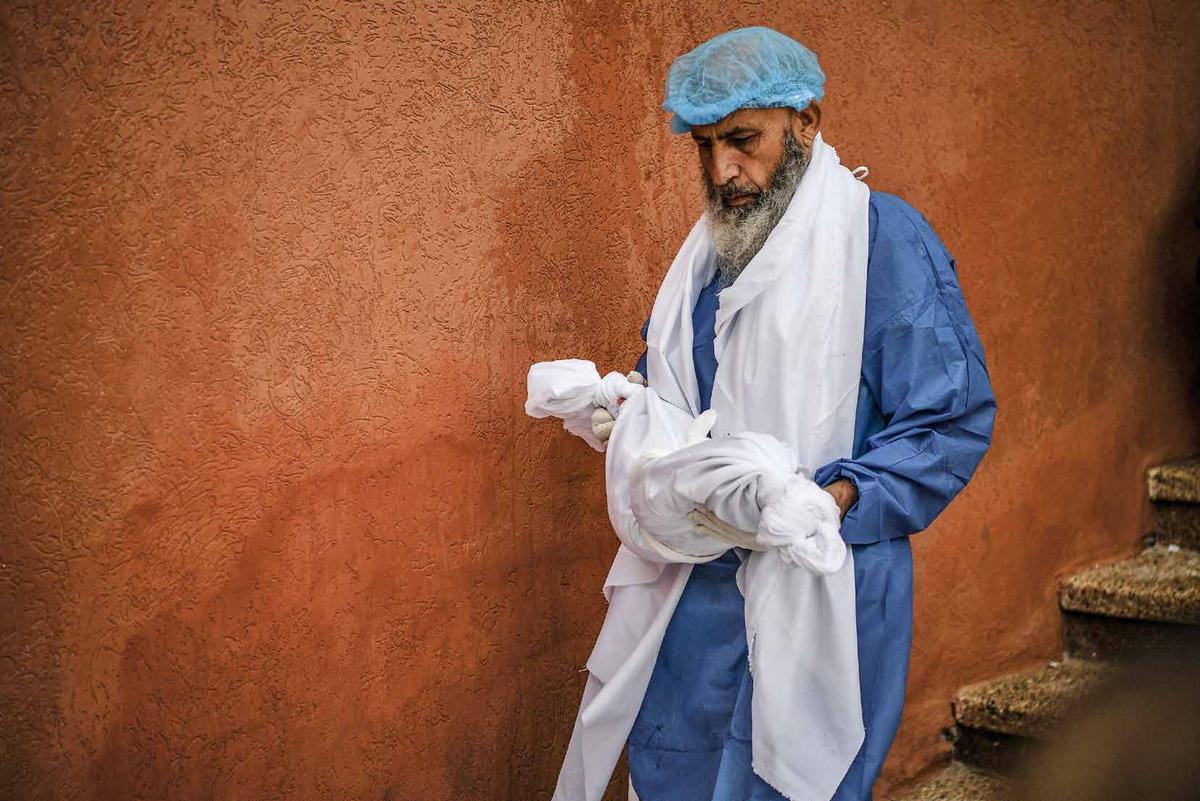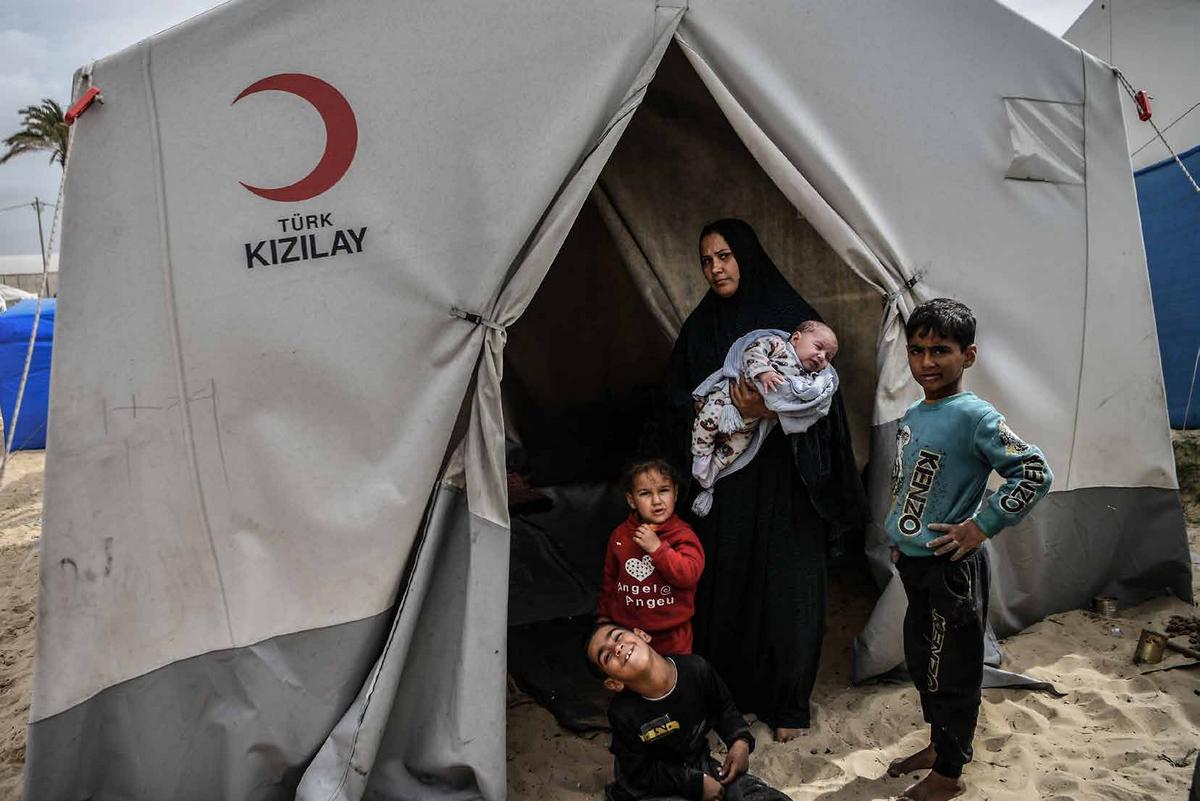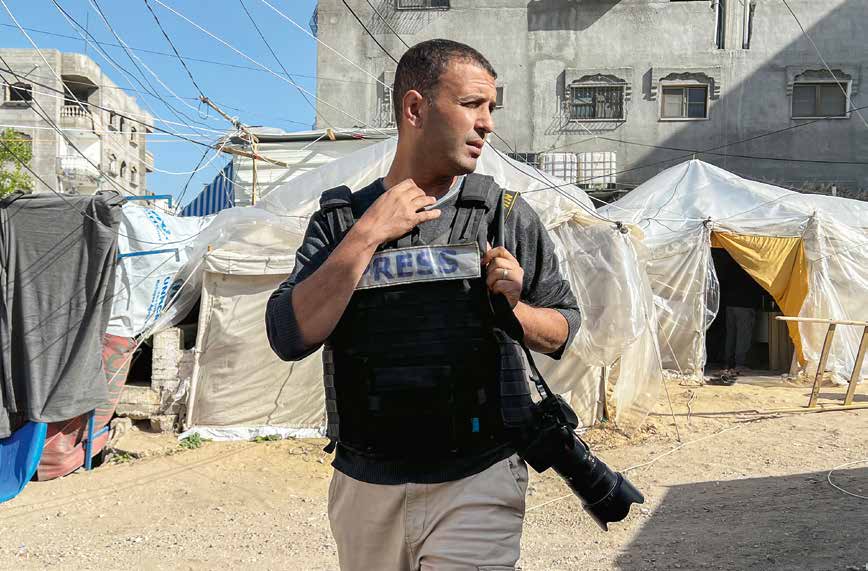

How do you feel when you capture images of children and people in the field?
What specific emotion are you referring to?
How do you respond to this situation emotionally?
Honestly, I feel a sense of helplessness because there is little we can do. As journalists, our role is to report on events. Yet, there’s an overwhelming feeling of powerlessness among us. After all, we are Palestinians, the rightful inhabitants of this land. Growing up, we have experienced the struggles alongside the martyrs and the wounded, always surrounded by adversity.
And from a psychological standpoint, if we could lay bare our hearts, how would you describe the emotions we experience in response to the things we have witnessed?
What are your thoughts on the situation of these children? I mean, may God protect them, but considering that your own kids or kids you know might be targeted, how does it affect you when you photograph them?
As you’re aware, there are children among the people I capture in various states (whether dead, wounded, etc.). I scrutinize the children closely, thinking, perhaps it could be my own child. It deeply saddens me when I photograph a child or a little one who has become a martyr.
How do you feel when you are editing these photos after you leave the field?
My brother, what feelings, what psychology? They haven’t left any psychology in us. We are always in a psychologically distressed state.
We can remain composed while taking photos. In other words, I can personally control myself when taking photos. In fact, if I could capture clean shots, it means that my work is neat. However, after shooting, for about an hour or two, I can’t help but visualize in my mind those scenes that I photographed like a storyboard while editing them on the computer. So, because of this, editing may be taking me a bit too long. When I zoom in on the eyes of an injured child, or when I look at a martyr or someone else, I get carried away.
So, do you find yourself getting distracted while working due to the horrifying scenes you witness?
Imagine your colleagues being martyred around you, people losing their lives alongside them. You go out with them, and you come back alone, unable to even take them to the hospital...
I mean, it’s truly horrendous. You’re working with a young colleague, enjoying moments together, and in a matter of seconds... You go, capture images for a few hours together, and then suddenly, you witness your friend’s head being severed right in front of you. They’re martyred just like that. It’s an event that has the potential to drive people to the brink of insanity. In other words, this is a situation that the human mind cannot comprehend or endure.
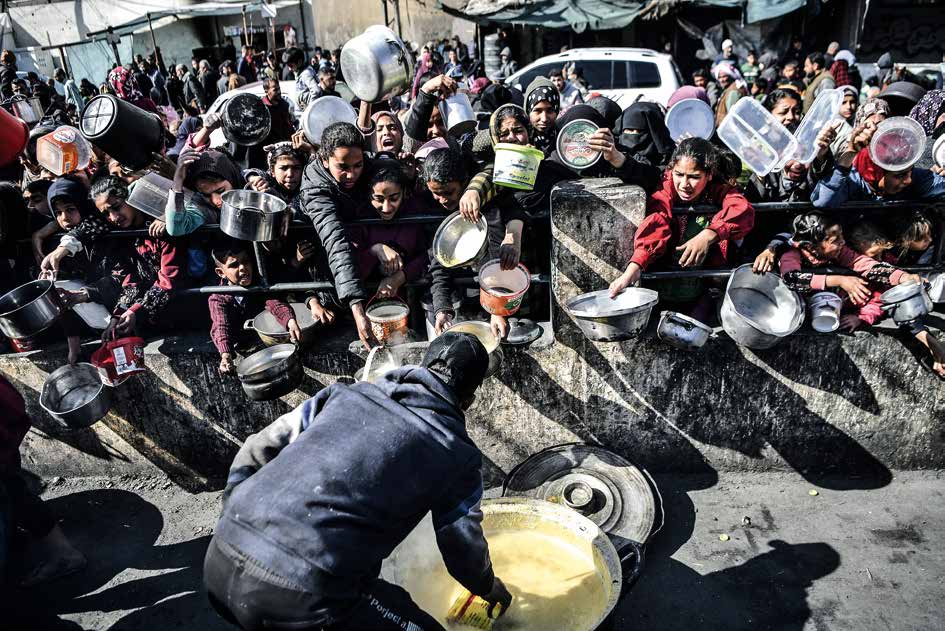
What goes through your mind when you’re sitting with friends?
Fear, undoubtedly. The realization that I could meet the same fate as a colleague in the blink of an eye. I fear for myself and my family. This situation is inherently unsettling. There is no sense of security while working; public order is always elusive.
How do you continue to live your life amid all these preoccupations?
To be honest, the war has been a profound teacher for us journalists. It has imparted valuable lessons in terms of coverage, publishing, and situation management. We navigate the war’s complexities in our reporting comprehensively. At the same time, we bear the responsibility of providing for ourselves and our families. It had, for example, never occurred to me that one day I’d have to wait in line for five hours to secure a single meal for my kids. Such challenges inevitably impact our work, not to mention other basic necessities of life, like access to water and other essentials
According to your personal observations, what do you envision for the future of Palestine?
(Despite the current hardships) I hold onto hope for a brighter future. The sorrows will dissipate, peace will prevail, and people will experience the tranquility others live in, okay? However, the current realities on the ground and the available data paint a grim picture, suggesting an ongoing and unresolved conflict.
How do you assess the global perspective on the events in Gaza? What is the world’s general perception of the events unfolding in Gaza?
By God, to be honest, the world views what is happening in Gaza as a war, a dreadful genocide. (But) the international community does not care about what is happening.
Have you ever considered leaving your job and departing from Gaza?
Certainly, I contemplate leaving Gaza every minute, every moment. I endure tremendous pressure—psychological, work-related, and familial. The desire to leave Gaza is always present, as safety is an invaluable sensation. The assurance that one’s children and oneself are safe constitutes the most precious emotion. Fear, yes, fear of the uncertain future, anxiety about what lies ahead... amidst all of this. Nonetheless, we express gratitude and praise to God under any circumstances.
Do you encounter any written or verbal attacks or restrictions from Israelis due to your work, especially in the form of your work being blocked?
Certainly. Israeli journalists and citizens launch attacks, particularly on social media. For instance, they question, “Why don’t you show the people who died in Israel?” During this war, not only are we restricted from moving around in Israel, but we are also prohibited from traveling between Palestinian cities at the moment. Additionally, we face constraints on movement within Gaza. We keep conveying this situation to the Israelis.
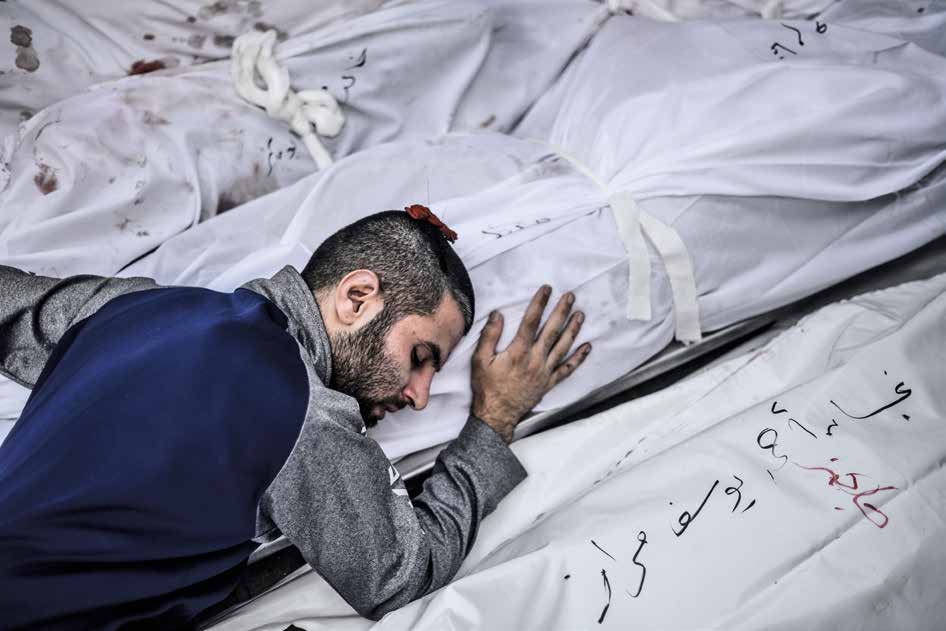
Were there moments when you felt compelled to put down the camera, saying “enough is enough”?
I would say for many, many scenes. Frankly, there are images that I’m embarrassed to publish. Taking out your equipment and photographing people’s test with hunger, as it is now. There are many things that I can’t photograph out of profound sadness and grief.
What do you think was the most difficult moment you’ve ever experienced?
I’ve come out to the bazaar and frankly I am now fooling around. Life, bread... And the hardest thing is to go through it at this age. The hardest thing I did in desperation and grief was to report about my colleague, journalist Mustafa Tara, and Hamza Dahdouh. An hour earlier, Mustafa and I were joking together, and an hour later, I took a photo of his headless body.
If you were to leave Gaza, would you contemplate seeking psychological treatment and possibly leaving the profession?
Certainly, it is something I consider. The foremost step I’ll take upon leaving Gaza is to seek treatment for both my family and myself; we have been exposed to experiences that the human mind cannot bear. However, I have no intention of abandoning photography; rather, I aspire to delve into nature photography. Documenting images of blood, death, migration, and grief has adversely affected my mental well-being. Once this chapter concludes and I exit Gaza, my focus will shift to capturing the world outside - nature’s beauty, fashion, and various subjects unrelated to war, among many other things.