
How does it feel to both witness and be involved in these events, to work under the constant threat of death?
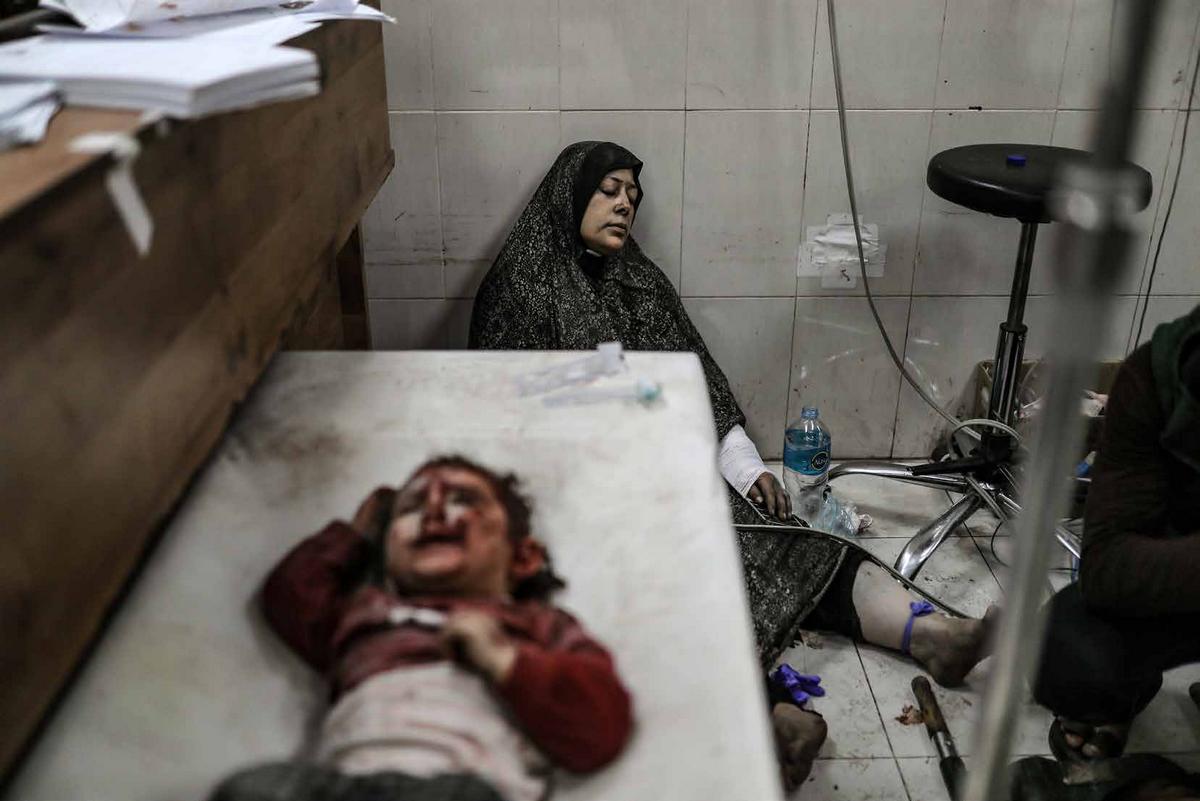
The emotions we experience every day unmistakably signify our proximity to death, just a few seconds away. What I’m trying to convey is that we are perilously close to death. Yet, God is our protector; indeed, He is the ultimate guardian. Each day when we wake up, we bid farewell to our friends and families as we embark on this daily adventure through the treacherous streets of the Gaza Strip, where not a single square centimeter is safe. You can’t hide in your car, no refuge in your home. Hospitals, churches, mosques—all susceptible to threats of bombings. Being a journalist doesn’t exempt you from becoming a target; they also target medics and civil defense teams.
The occupying Israel believes that they have the right to do just anything here. The occupier shows no mercy to the child, the paramedic, or even the journalist. We confront these risks every day. Nevertheless, we are resolutely committed to persisting on this path. Whether it is our lives, our families, or our homes, we have willingly chosen to bear this cost to convey our message and support this cause through our journalistic efforts.
How does it impact you to continue to work while your colleagues are martyred beside you?
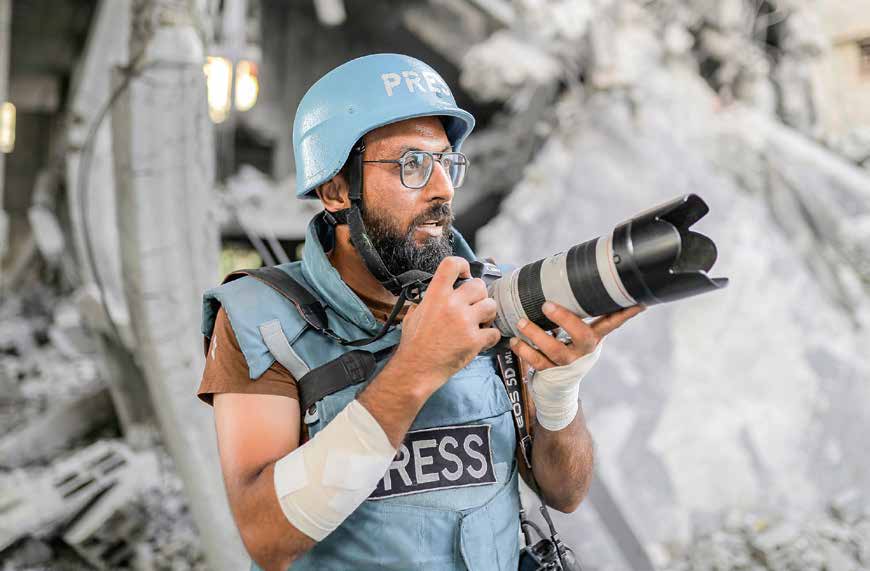
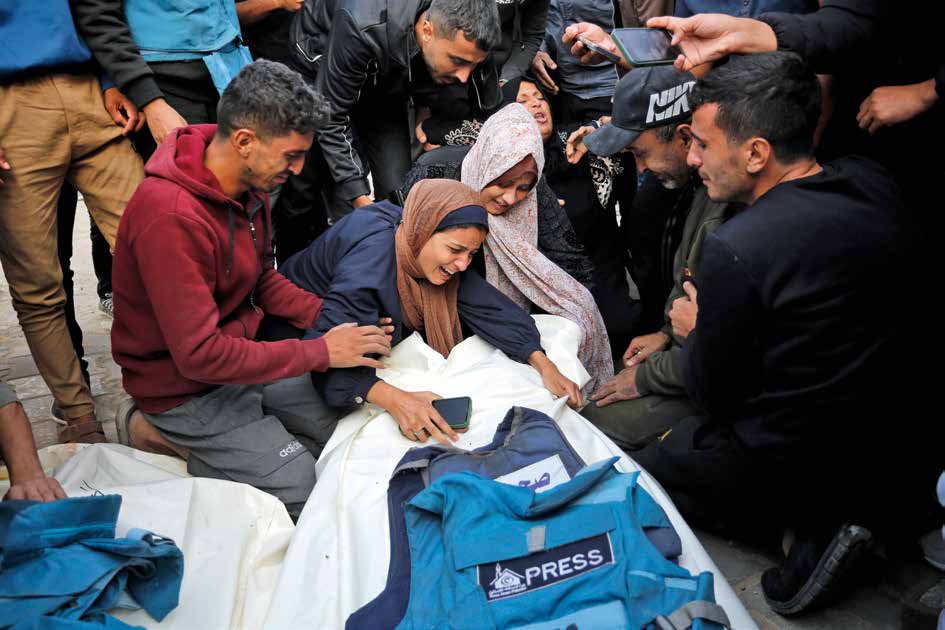
In this war, we’ve lost more than a hundred and ten journalists— our colleagues, brothers, and friends. We shared moments of sleep, meals, and camaraderie with them, only to lose them in a matter of seconds... This is what epitomizes the Israeli occupation. Despite wearing protective vests, which should have made them untouchable under international law, and having their cars marked with the word “Press,” they were not spared. While there is supposed protection for journalists in conflict zones, unfortunately, in Gaza, we lost dear friends who paid for news broadcasts with their lives. We are committed to this journey we started with these individuals and will keep the promise we made. Until these massacres cease, by God’s will, and Gaza becomes safe and secure, we will not tire, we will not rest, and we will never stop.
How does your daily life continue?
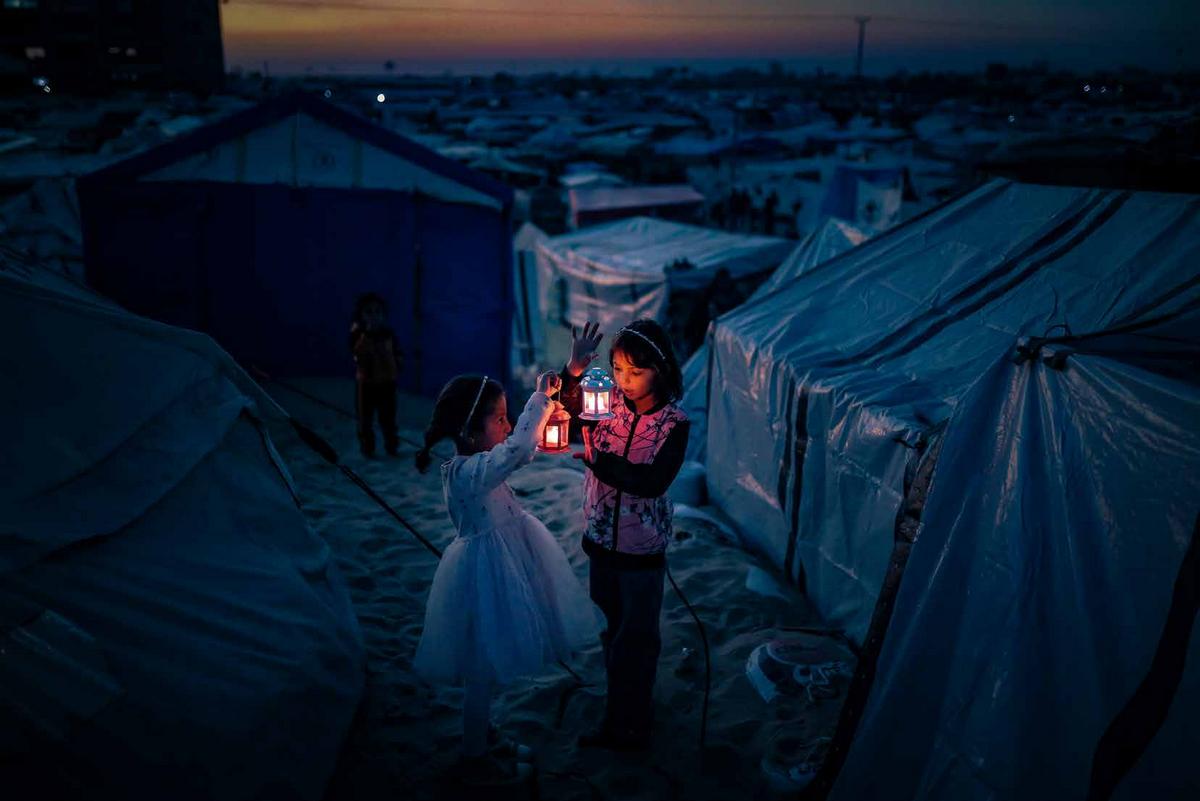
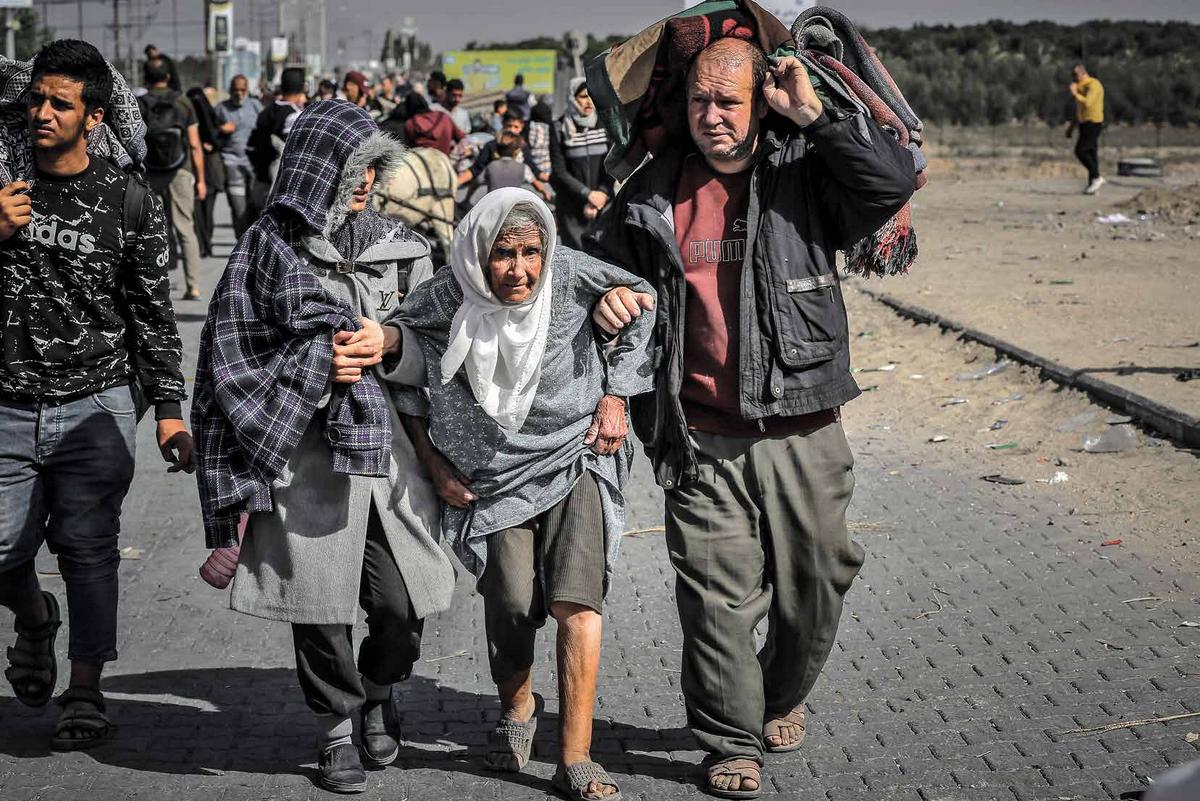
Our lives, our daily existence, unfold amidst hospitals and bombed houses, in the midst of streets housing displaced people, among shelters and tents. This means we spend less than half an hour a day with our families. Some colleagues haven’t seen their families and children for more than forty days. The demands of chasing stories day and night mean they don’t hear their children’s voices. Yet, our colleagues persist in carrying out their duties, paying a great price, sometimes losing their families and at other times, their friends. Yes, some of our colleagues’ families have become martyrs. They yearned to bid them farewell, just to look at them one last time, but the conditions of journalism prevented it. They were in one city, for instance, while their journalist sons were in another. So, they couldn’t plant the last farewell kiss on them and lay them to rest.
How do you generally evaluate the unfolding events?What will Palestine be like tomorrow?
God willing, we aspire to a bright, loving, and vibrant tomorrow for Palestine. We are a people who love life. However, war has been imposed on us, and we are determined to continue our mission until this war concludes. We hope that the reconstruction of Gaza will swiftly follow the destruction inflicted by the occupying Israel. We desire a secure future for our children, women, and youth, and we envision a prosperous and secure Palestine.
How do you assess the world’s approach to what is happening in Gaza?
Our assessment of the world’s view of Gaza can be clearly stated as follows: We express our gratitude to everyone standing in solidarity with us. We appreciate those posting messages on social media, participating in demonstrations, and boycotting products that support the Israeli occupation. There is a massive mobilization that cannot be hidden or ignored. A significant movement is evident globally, urging an end to this war. Unfortunately, the (global) establishment, Western organizations, and governments supporting the Israeli occupation and overlooking its crimes in the Gaza Strip are a great disappointment. This constitutes a disregard for the lives of children. These countries are complicit in the crimes committed against civilians and children in the Gaza Strip.
Were there times when you considered quitting your job?
I mean, there are moments when you don’t contemplate leaving your profession but ponder the idea of contemplating it. For a hundred days, we’ve been presenting these images to the world, and the world remains indifferent. So, you might feel betrayed by the world. Yet, when you pause and realize that turning off the camera would mean hidden massacres, this awareness stirs your conscience, reigniting the flame of determination to persist on this path. Therefore, we never let go of the camera for a moment and continued our journey. In our mission, we will press on until a ceasefire is achieved, until these killings and massacres come to an end against civilians in Gaza.
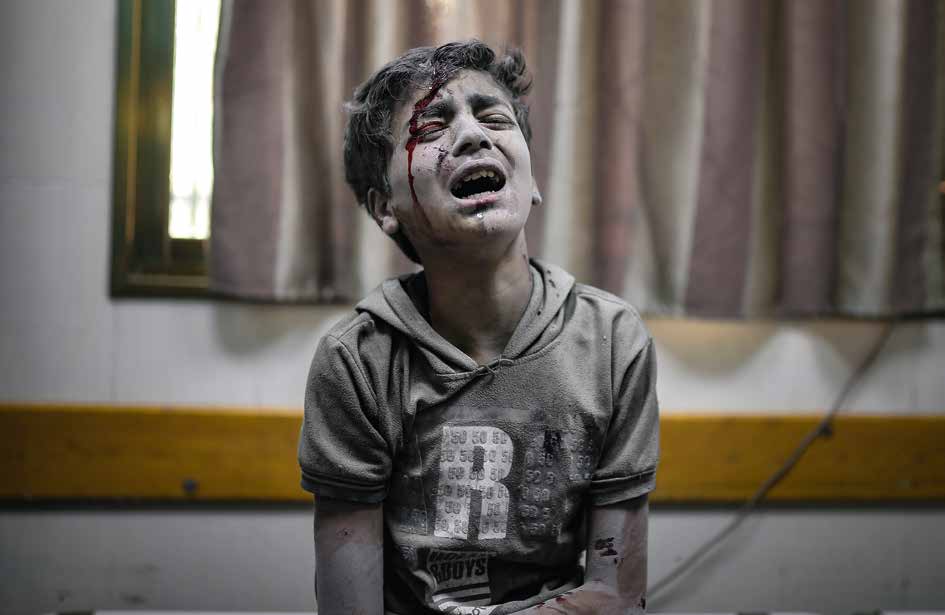
Has there been a story where you felt your camera or pen simply fell short of conveying the event? What was the most challenging moment for you?
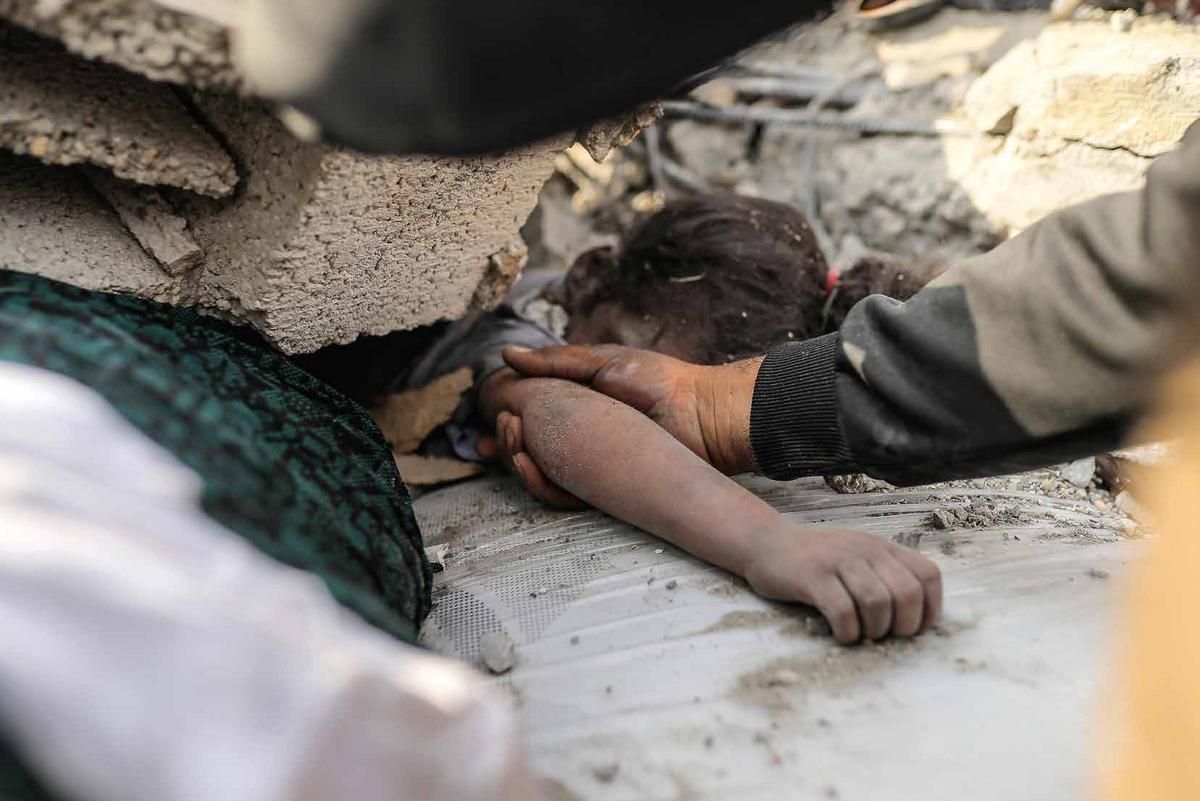
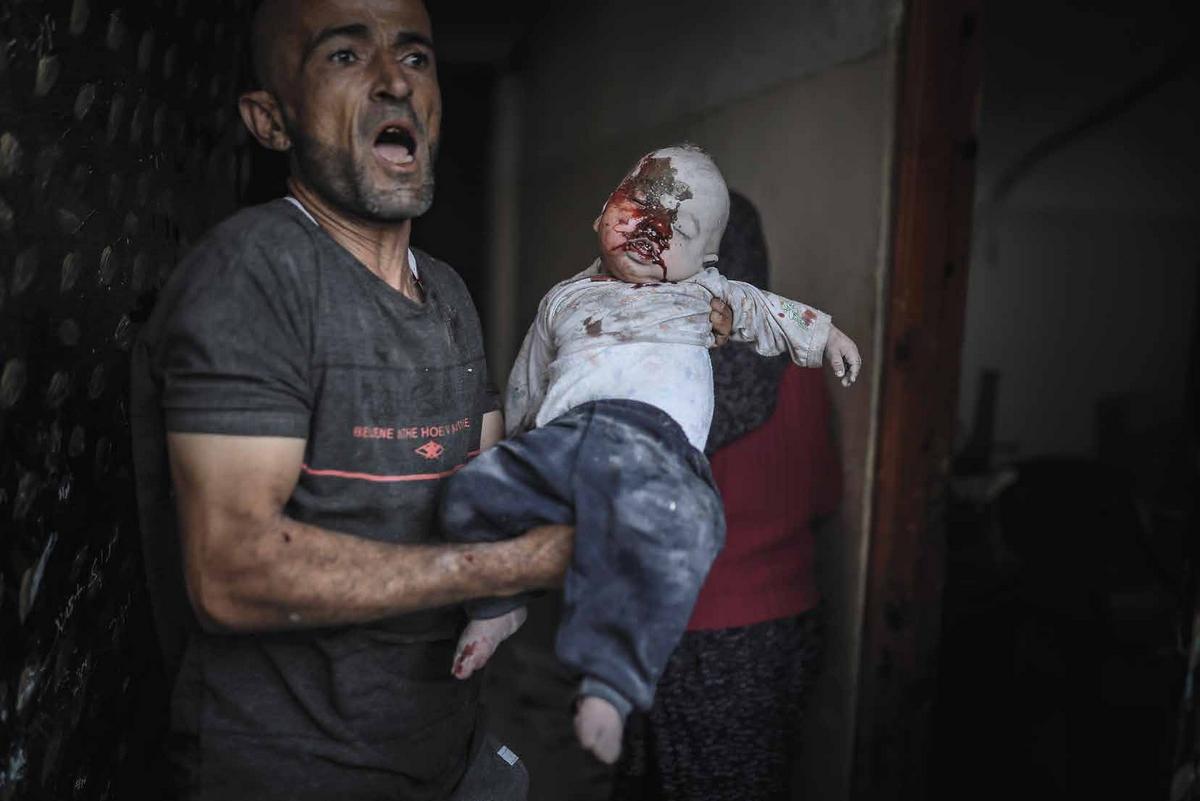
One of the most difficult moments we experienced was when houses were bombed. This means that explosive barrels fall on houses, and the entire neighborhood is destroyed, prompting the photojournalist to put down their camera.
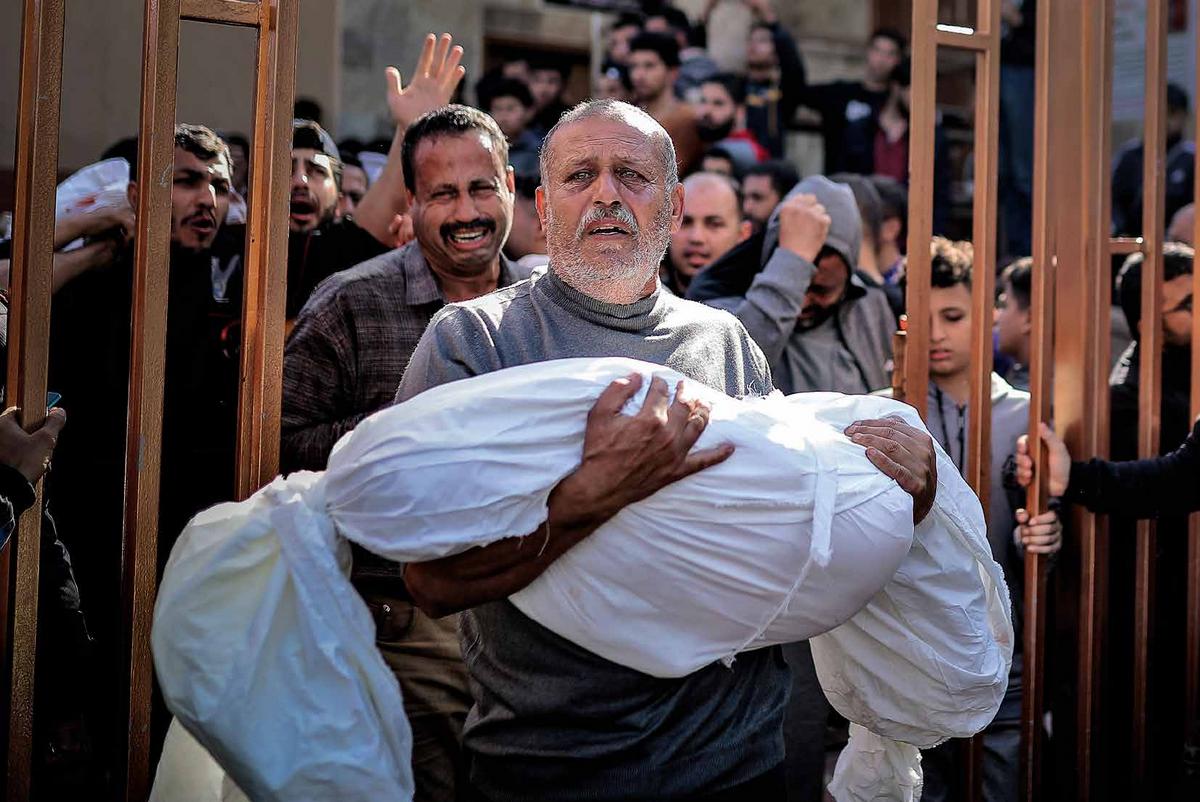
He descends to collect the bodies of the martyrs and digs with his bare hands to save the lives of those who remain. Similarly, there are difficult moments we experience when we receive a phone call while at work. Your sister or your mother tells you that your house has been bombed, and I experienced it twice; I mean, when the house next to ours was bombed.
My sister called me and screamed; do you know what it’s like to be smoldering with a mixture of feelings? They bomb us. “Do you feel helpless here?” So, imagine you’re doing your job, your journalistic duty in a city, and your family is being bombed at the same time. As in the case of our colleague Moamen Al Sharafi; he lost twenty members of his family in an attack on their home in Gaza.
What do you think about leaving Gaza, seeking psychological support, and quitting your profession?
No, we won’t do that. I mean, we will not abandon Gaza, even if we have to leave it physically. So wherever we go, we carry Gaza in our bags, with us; Gaza lives with us in our hearts. Therefore, when we go from Gaza to the outside world to complete our mission, which is to convey the Palestinian cause and the Palestinian message to the world through art and journalism, that is, the work we live for... God Almighty willing.
It will not be necessary to go to a therapist. Personally, I will not go to a therapist for treatment, because no psychiatrist or psychotherapist would be able to bear what is happening in the Gaza Strip and what is happening to the citizens, what we are seeing in Gaza. God is the entity to which our hearts are attached. It is God who gives us patience. We have great hope in God. We hope from God Almighty that this ordeal will come to an auspicious end. We pray that Almighty God keeps us alive and prolongs our lives so that we can serve this country and serve this cause of journalism.