
Can you tell us a little bit about Gaza before and after October 7?
Our lives before October 7 were characterized by complete safety and security. People led normal lives, spending time with their families, interacting with children and friends regularly, and going to work. In essence, we, along with the people of the Gaza Strip, followed a standard daily routine.
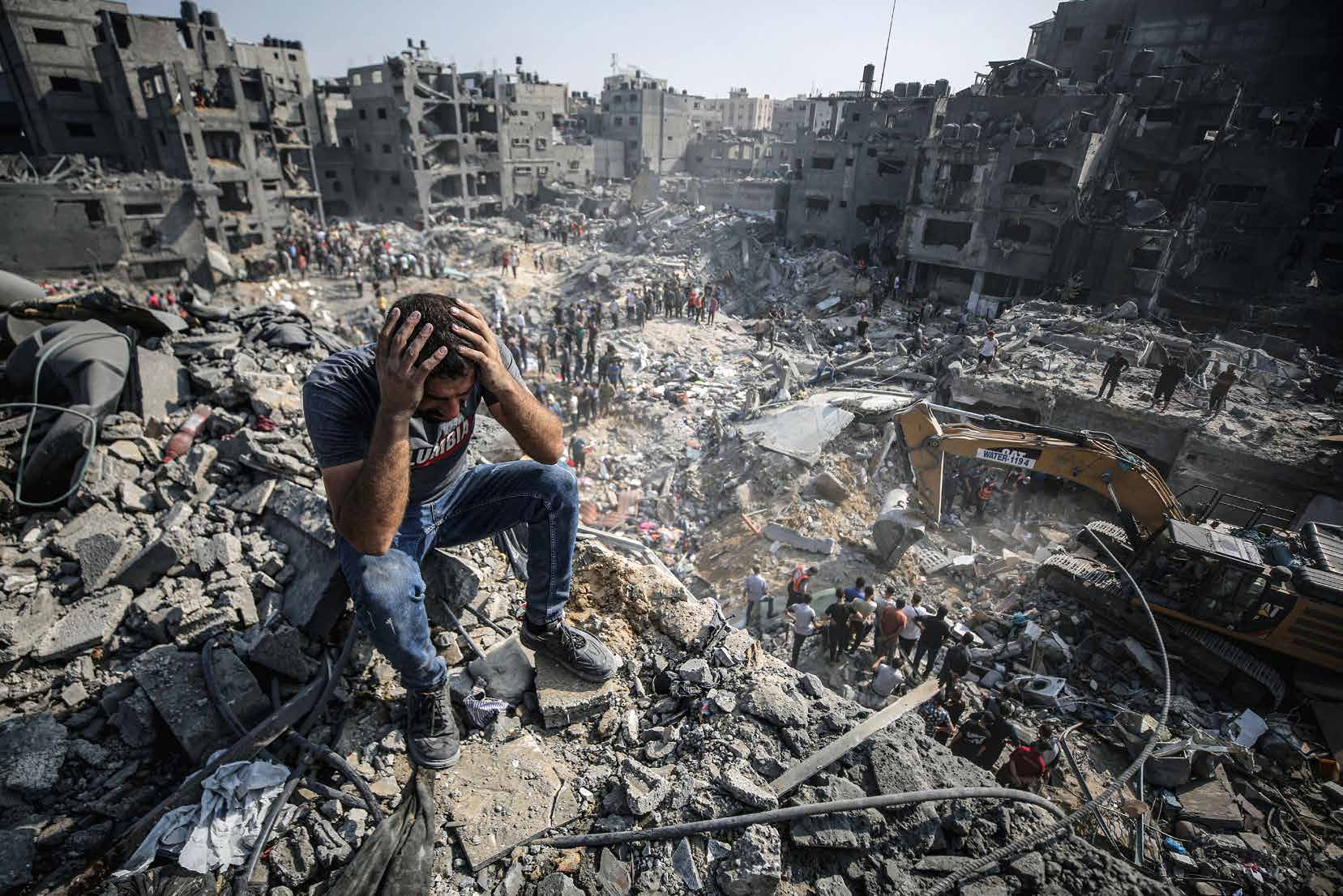
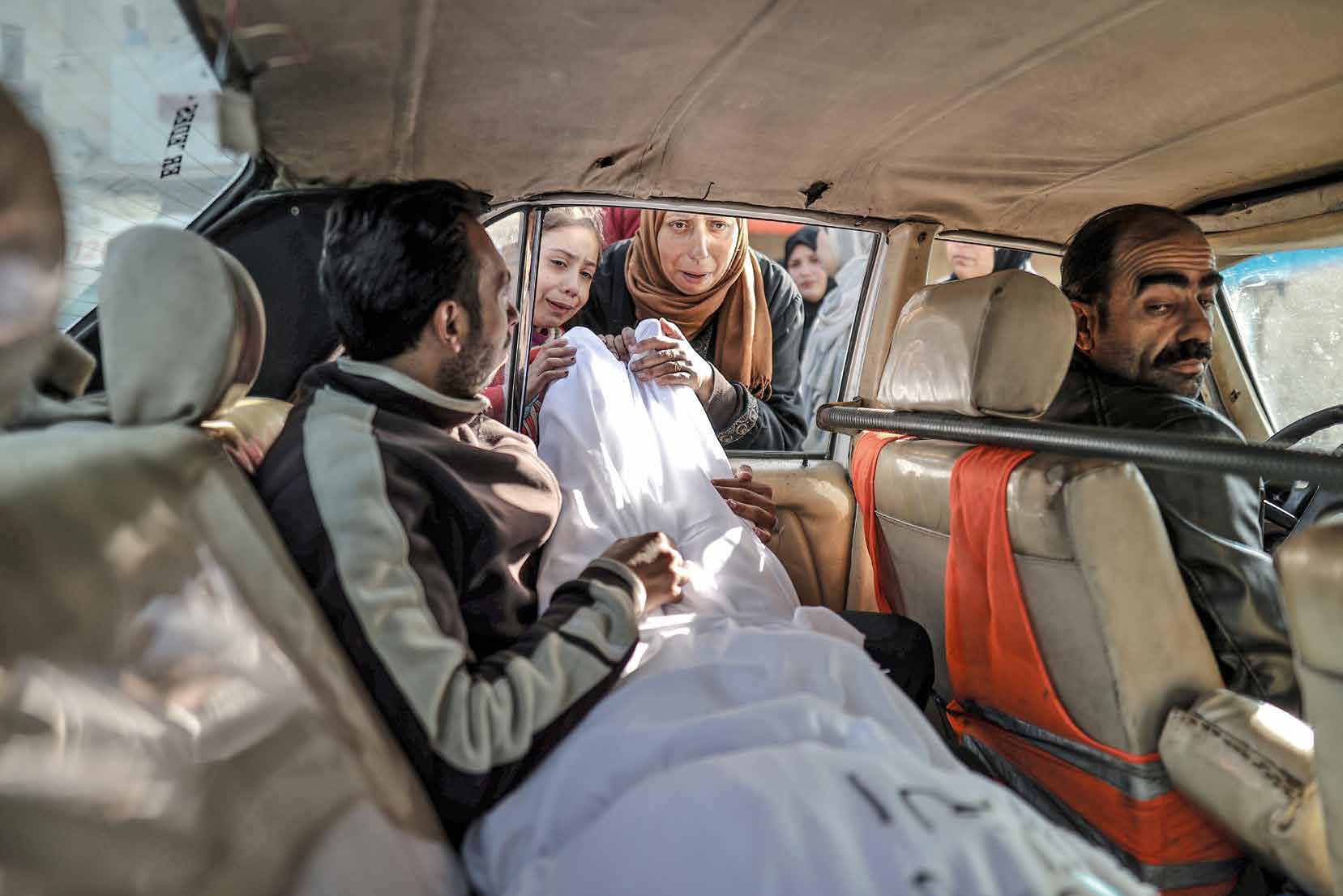
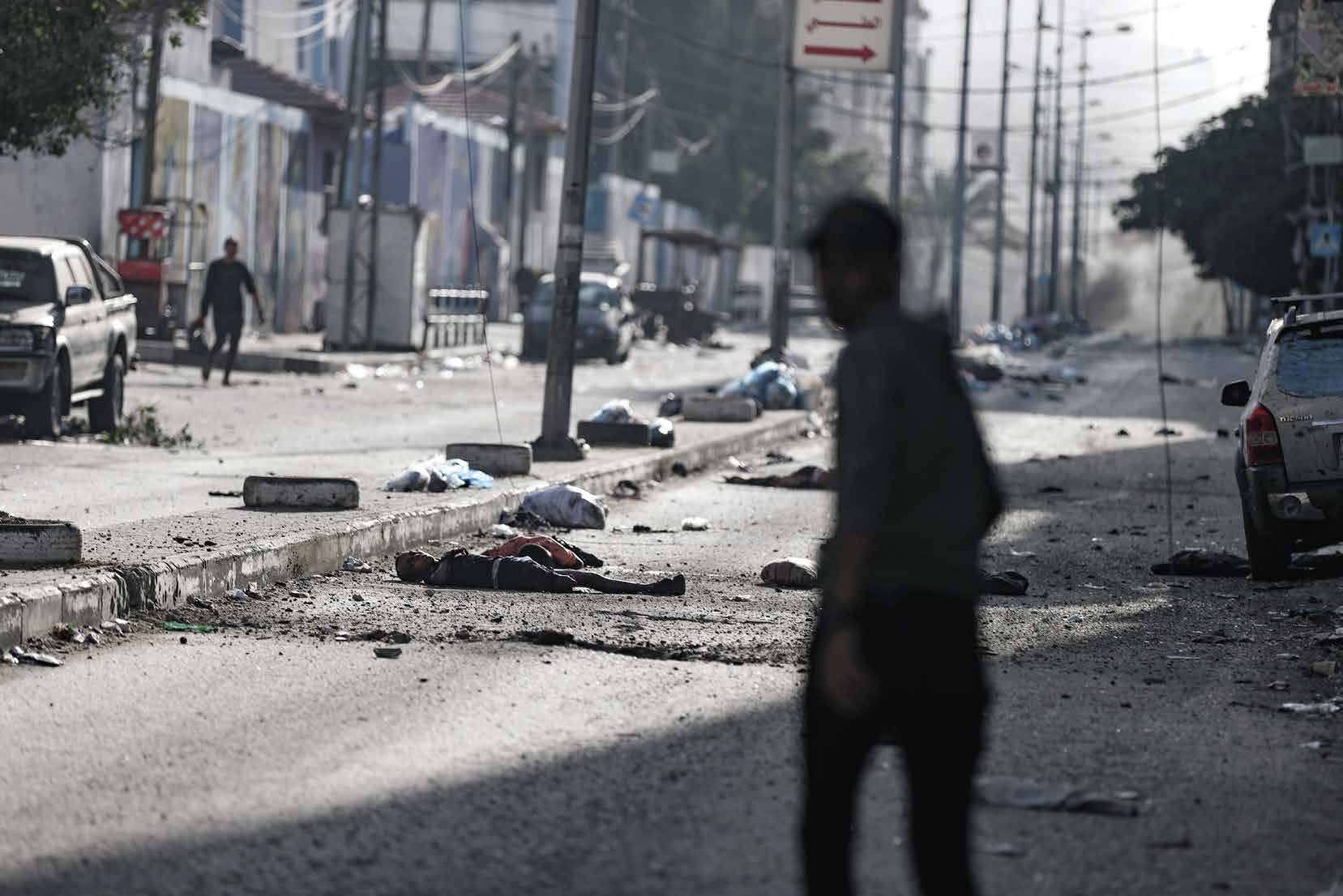
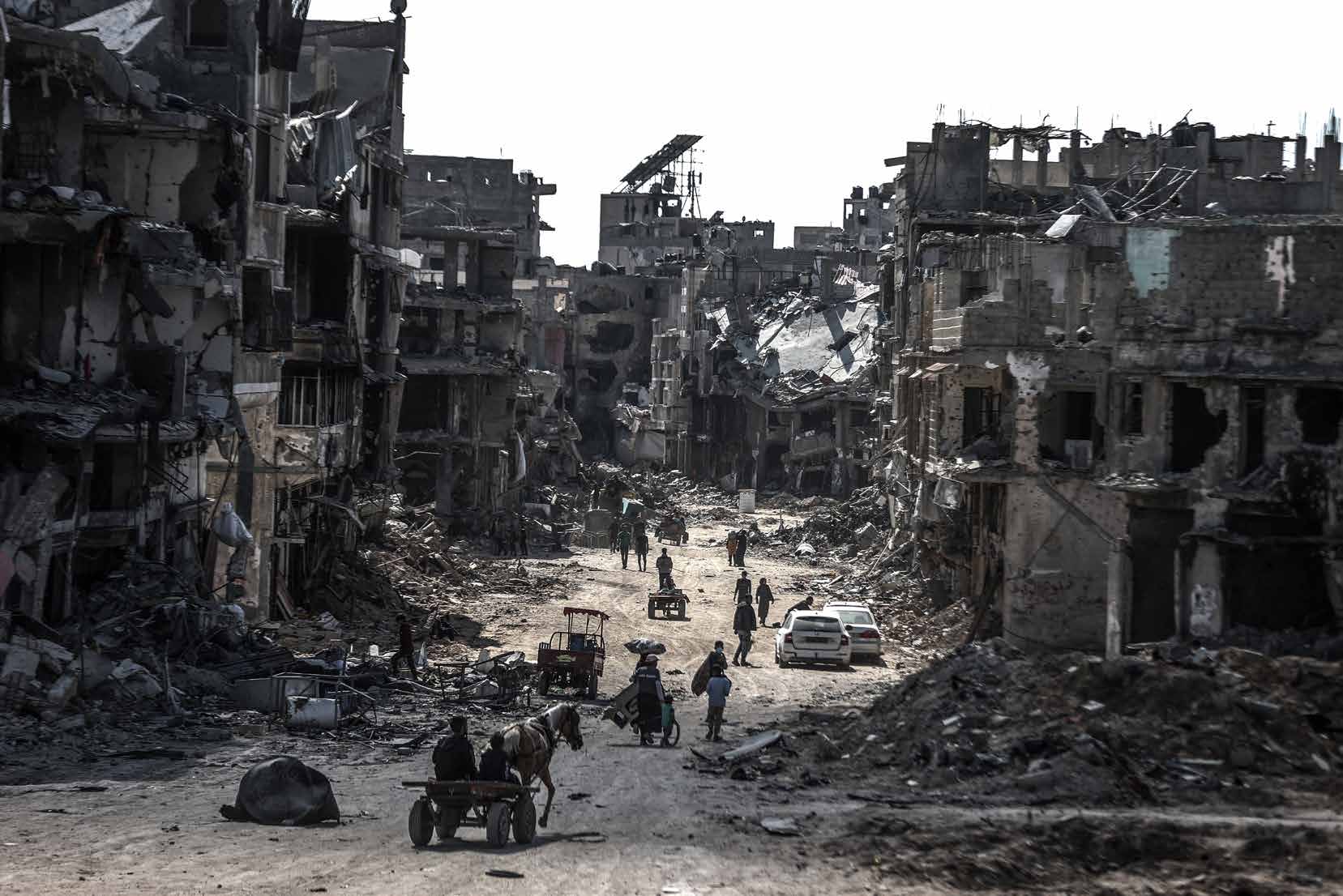
After October 7, life transformed into a state of utter death, destruction, and inhumanity. Bloodstains and the presence of martyrs and wounded individuals pervaded every corner. Despair engulfed the entire strip, and there is no place deemed safe. Life has been completely shattered.
You could describe our lives after October 7 as an absolute disaster, an unfathomable humanitarian catastrophe. No one in the Gaza Strip feels any sense of security. Children are exposed to the sounds of bombs and planes dropping them, leaving parents helpless to shield their children. It’s an incredibly challenging experience. That’s it; what more can I say...
What has affected you the most?
Three days after October 7, I lost my home. On October 11, when the assaults had already been ongoing, I was engrossed in capturing moments at the Al-Shifa Hospital. I got a call and was informed that my family had been targeted. Hastily, I jumped into the car and rushed to my family’s residence. The scene was a shock, an absolute shock. This occurred very early in the war.
I lost all my family members; only my mother managed to escape from beneath the rubble. Thanks be to God.
[He becomes emotional] Describing people’s situations is incredibly, incredibly challenging. There are no words in the dictionaries that can capture this feeling. Losing your family, losing your sense of security, losing your relatives, losing your loved ones, losing everything essential to your world. In essence, you’ve lost everything.
Being a journalist in Gaza... Do you have the intention to quit?
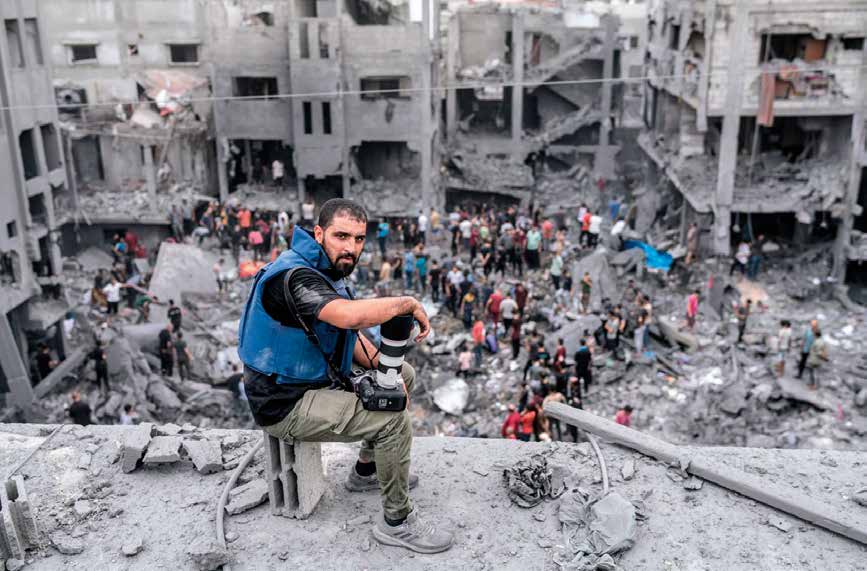
I am a photojournalist. I’m consistently behind my camera, documenting all the crimes committed by the occupiers. I am continually capturing the events unfolding in the Gaza Strip.
All my colleagues are dear to me. May God grant them good health. They are always behind their cameras and video recorders. Even when I lost my family, they were recording my life and the ordeal I went through. In that critical moment, all the journalists, meaning my colleagues, all my loved ones, were present. May God grant them good health and have mercy on those among them who were martyred.
After burying my family, after becoming a victim of this tragedy, I pledged to continue on this path and tread the same road my colleagues walked.
What are your feelings towards what happened? How do you feel? If we ask you to tell us a little bit... And also that famous photo...
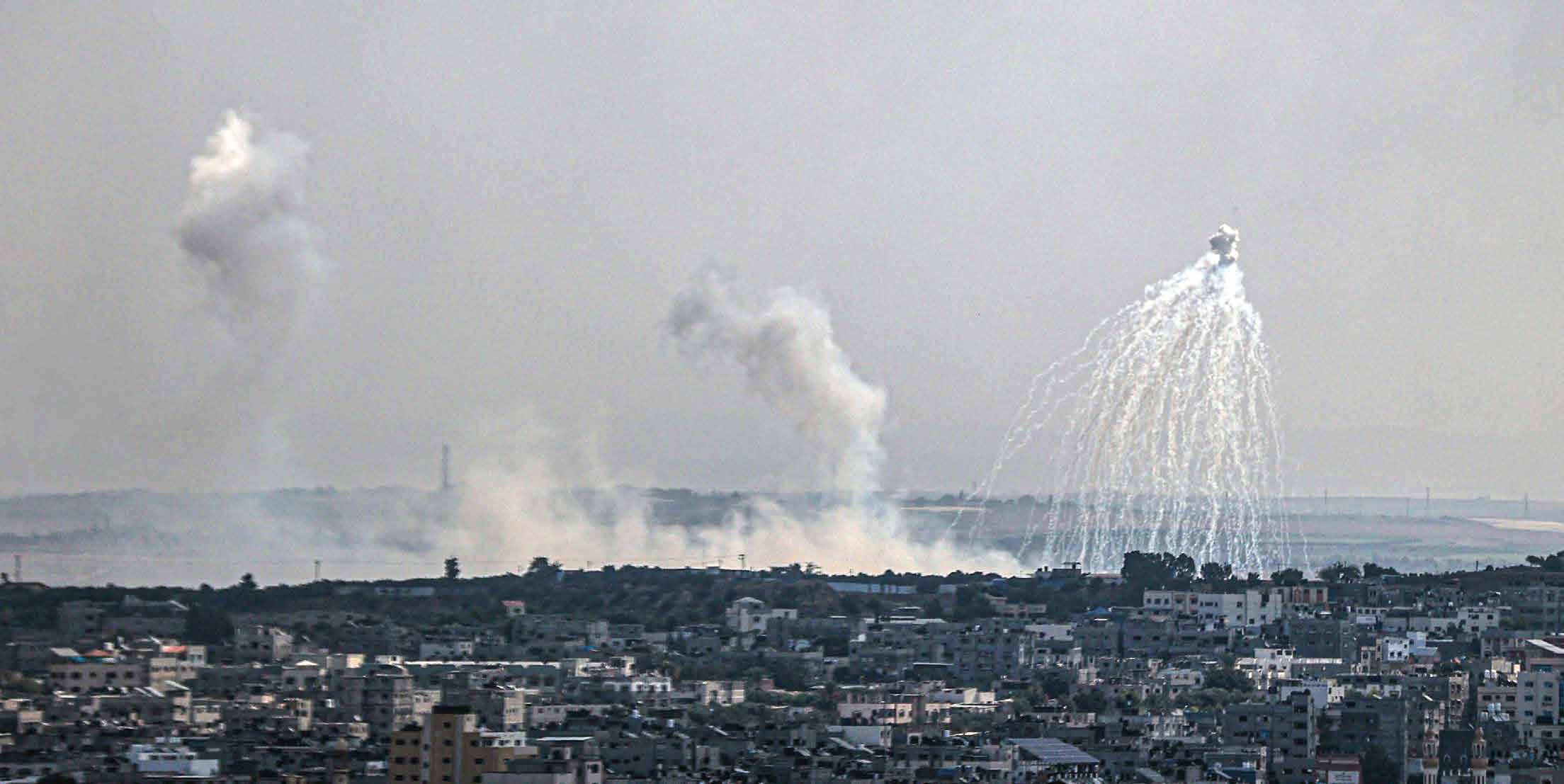
First and foremost, let me express that I don’t feel anything. In this ongoing war, emotions have been stripped away from us. We’re experiencing a genocide. What room is there for feelings in the face of constant martyrdom and injuries every minute, every second? Houses are being demolished, and planes are relentlessly dropping bombs. There is only fear, as you can see; we are utterly drained.
My only current feeling is that I want the whole world to see these images and that I convey them to the whole world. The whole world needs to see what is happening to our families, our neighbors, our relatives, and our people in the Gaza Strip. Whether or not they are informed through my photos; no, that’s not the issue; the main thing is that with these pictures taken in the Gaza Strip, the whole world can witness the reality unfolding here, what is befalling us. We are striving to precisely communicate what is transpiring here.
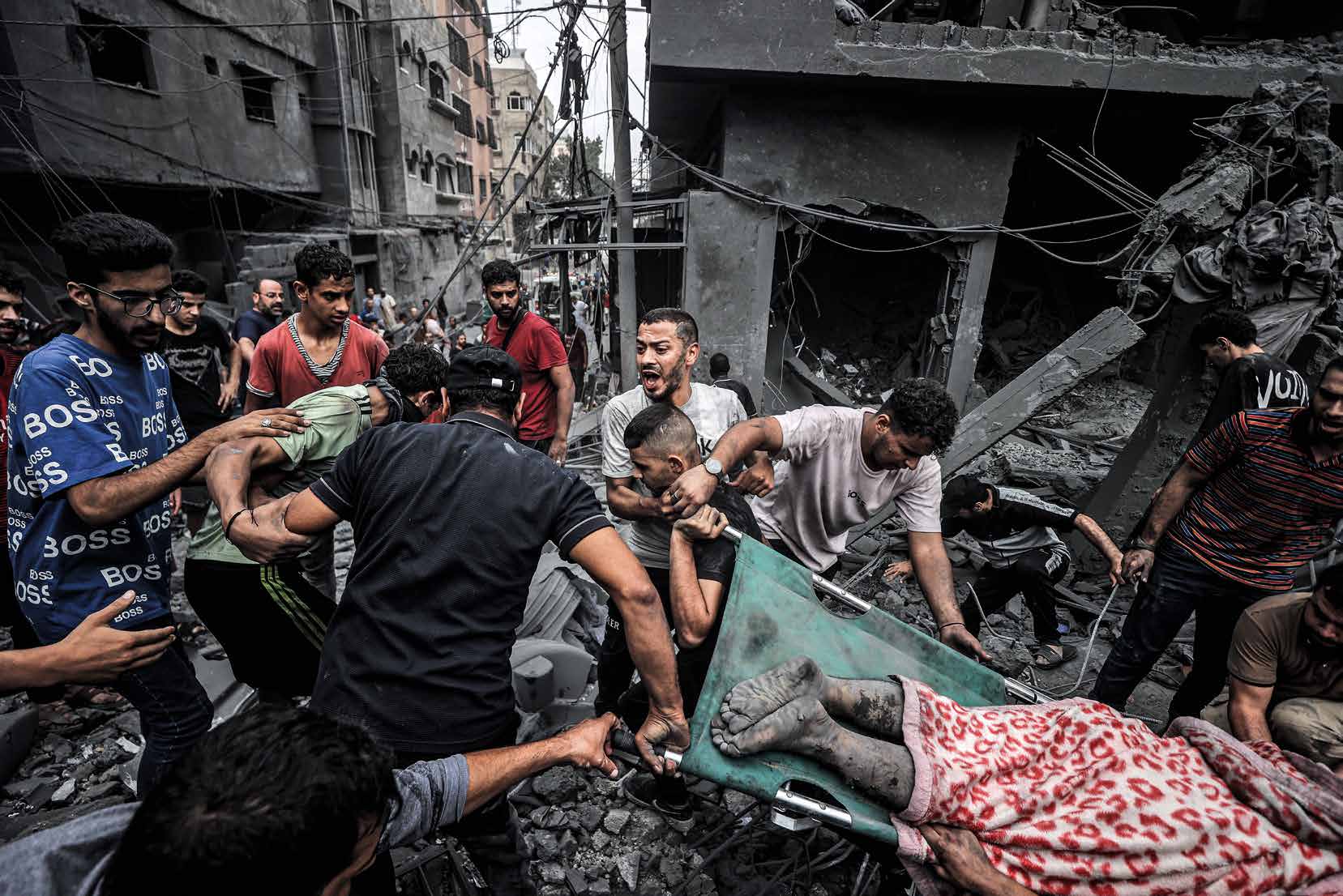
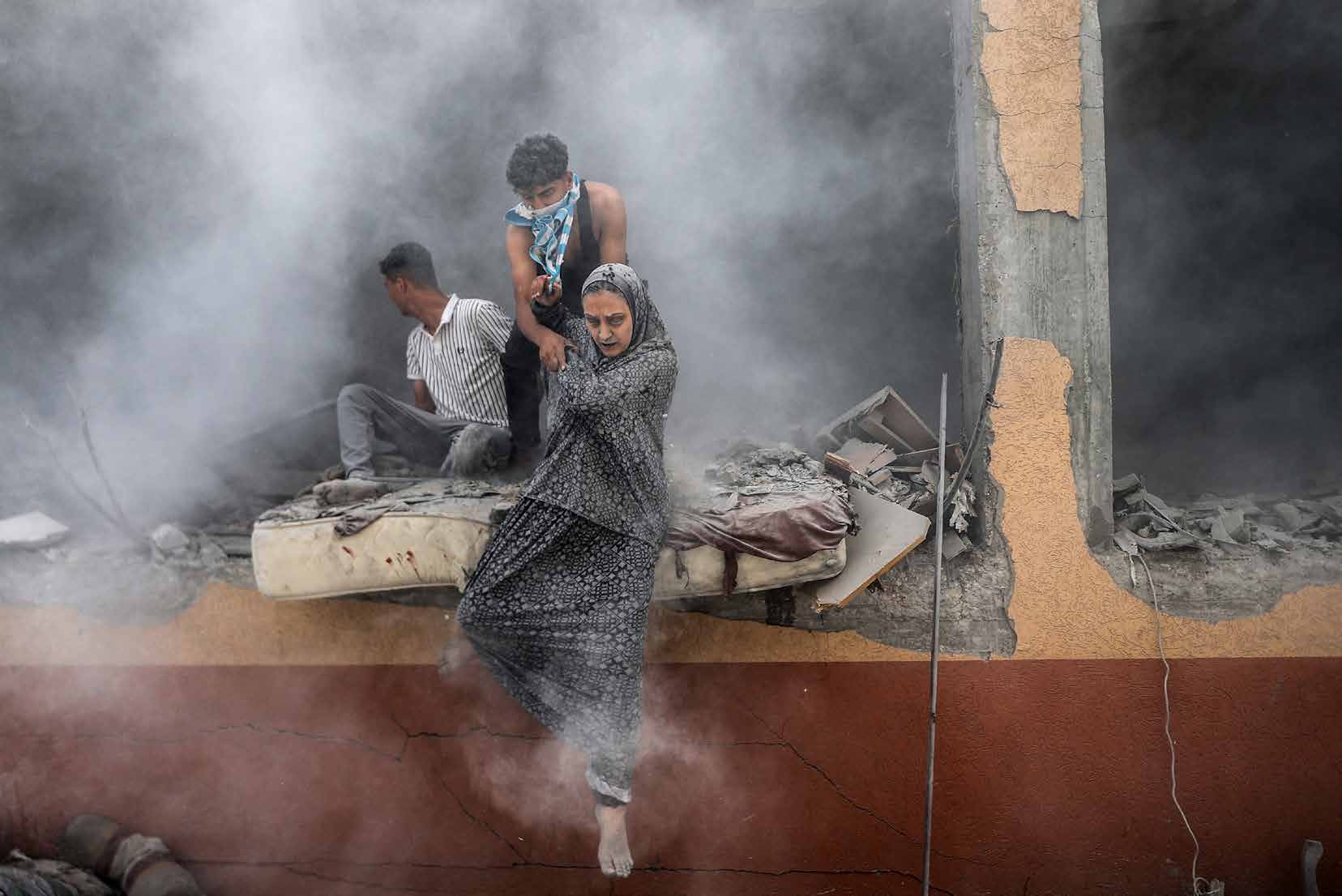
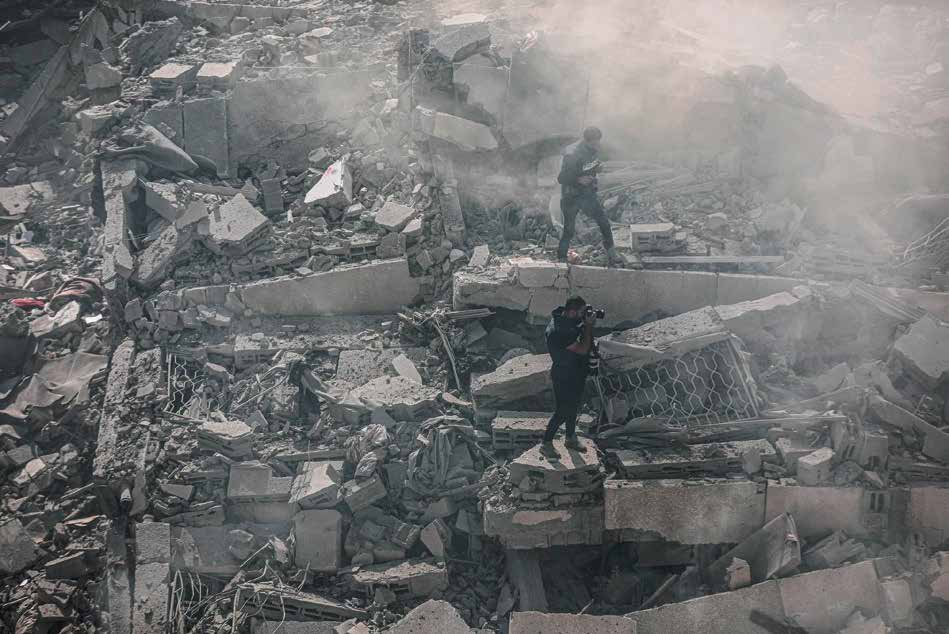
Before our relocation to the south, we were operating in Gaza. After a bombing in the Sheikh Radwan Neighborhood, we rushed there to film and document the aftermath. The entire area lay in ruins, obliterated by the invaders’ bombings. There were numerous martyrs and wounded strewn across the ground. There were no ambulances or civilian rescue teams; it was the survivors of the onslaught attempting to free those trapped.
The air was thick with dust from the collapsed houses, making it nearly impossible to open our eyes. Destruction and dust blanketed everything. Amidst this chaos, I witnessed a woman desperately running with her child. They were covered literally by a house curtain, an image that later became known as the “picture of the yellow dress.” It symbolized the last resort, the final escape, or the struggle for survival amid impending death.
[He becomes emotional and sorrowful] That’s enough on this topic; please, ask about something else.
What are the biggest challenges you face in doing your job?
We encounter numerous challenges in our work.
Firstly, venturing into a war zone with a camera is itself a significant risk. Journalists and camerapersons are direct targets, and the toll of martyred journalists, as of yesterday, has reached 130. Simply picking up your camera and heading out into the field to capture footage is the most formidable challenge.
Another challenge stems from the utmost scarcity of resources for journalists. There is no internet, there is no means of transportation. Most roads are either blocked or destroyed. This severely hampers our ability to reach scenes, report on them, and capture images. Delivering news and visuals under these conditions becomes an immensely difficult task.
However, the greatest challenge, as I mentioned, is the realization when you’re striving to cover the news that many of your friends and colleagues have sacrificed their lives on the field.
Can you tell us about other families and homes that were targeted?
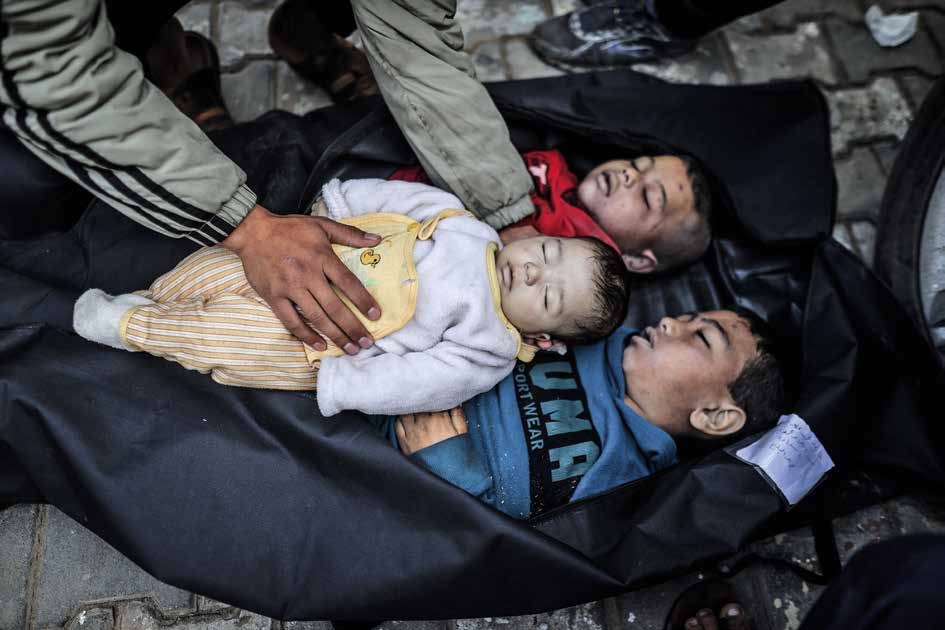
Another challenge arises when I arrive at a targeted home. You know that the family trapped under the rubble will remain there all night [because rescue operations are too risky at night]. My emotions inevitably transport me back to October 11, the day my own family was targeted. Witnessing the devastation with people and families trapped underneath affects me deeply. It’s an incredibly challenging situation, as memories flood my mind.
As I photograph these scenes, I relive the moments of pulling my mother, my brother, and my father from beneath the rubble. Every destroyed house I visit brings back these emotions, making it the most significant challenge. Describing this feeling is challenging in itself; it’s incredibly difficult.
Nevertheless, as journalists, we must persist in our mission. It is essential to convey the voices and images of our people in the Gaza Strip to the entire world, shedding light on our experiences and the challenges we face. We hope that the international community will take action to halt this war and the genocide being perpetrated against us.
What is your greatest wish right now?
What do I wish for at this moment? I yearn for the cessation of this war, I wish that we can return to our homes, that we can return to the north, even if our house lies in ruins. My entire family is lost, yet my deepest desire is to be able to get back there...